Dessert
How to Make Classic Donuts Soft and Golden at Home
October 23, 2025
Beverage
A smooth cup with a clear color comes from simple habits that protect the flavor. When people understand what changes the taste, they can prepare green tea that feels calm, warm, and fresh every time.
Green tea brewing often feels hard for beginners. Many people struggle with bitter flavor or weak taste because small mistakes change everything. A perfect cup of green tea starts with the right steps, and each step matters from leaf choice to water control.
A smooth cup with a clear color comes from simple habits that protect the flavor. When people understand what changes the taste, they can prepare green tea that feels calm, warm, and fresh every time.
Green tea becomes bitter when the water is too hot or the leaves sit too long in the cup. These two mistakes happen often because most people assume hotter water gives stronger taste. In reality, wrong heat damages the leaves and causes the bitter flavor that beginners complain about.
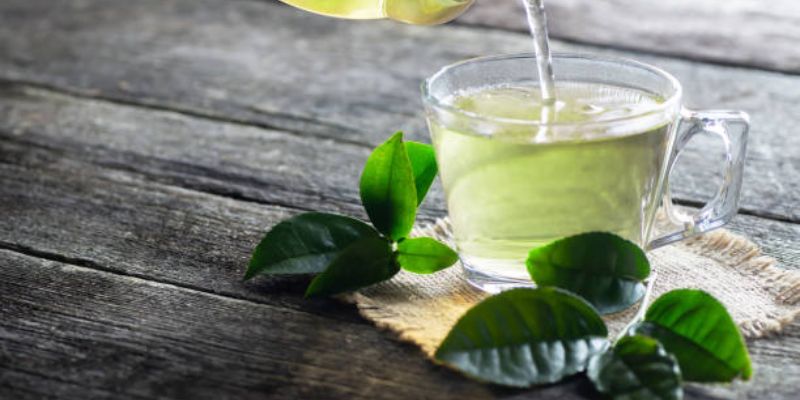
Flavor also shifts based on leaf grade, storage, and how fresh the leaves are. Light oxidation helps green tea keep its soft color and fresh scent. When leaves are old or exposed to air, they lose their scent and any hope of a clean taste. Choosing fresh leaves is the first step to the best green tea experience.
Most beginners do not know the difference between loose leaf tea and tea bags. Loose leaf tea has more space to open and release flavor, while bags often break the leaves into tiny pieces that lose taste faster. A clean cup depends on how full the leaves can expand when hot water touches them.
Good tea leaves have a bright green shade and a soft plant-like smell. Dull or dusty leaves often make bland tea. The best green tea types include Sencha, Matcha, Dragon Well, and jasmine blends. Each has a different aroma and body, but they all benefit from fresh storage. People looking for strong green tea benefits often prefer varieties with deeper color and stronger scent.
The right water temperature for green tea is one of the biggest secrets. The best range is between 70°C and 80°C. Hotter water damages the leaf structure and breaks the compounds that give soft flavor. This is why boiling water makes tea taste sharp and unpleasant.
Filtered water or spring water makes a gentle cup because hard water flattens flavor. Many people boil water again and again throughout the day, but stale water weakens the taste. Resting boiled water for a short moment brings it into the right range without tools. Switching the water between two cups cools it even faster.
People who want even more control often look at kettle quality to keep minerals balanced, since some kettles add metal taste to hot water. This small detail can also change the final cup.
The standard amount is one teaspoon of loose leaf tea for each cup. Less tea creates weak flavor, while too much leaf creates heavy taste. People who want strong green tea benefits often increase the amount slowly until they find what works best.
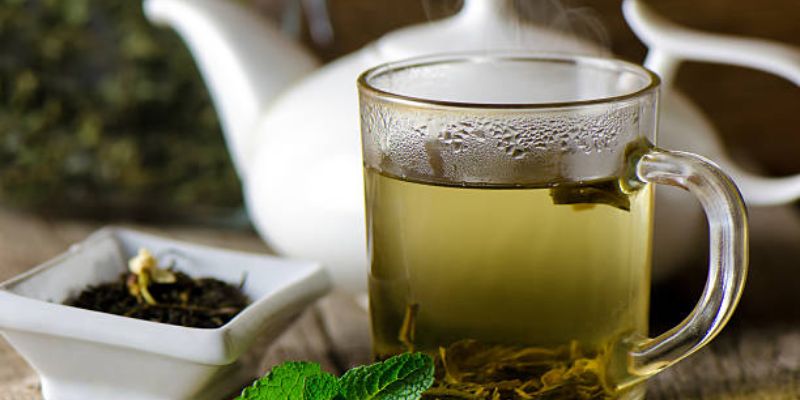
Water should stay below boiling level. If it reaches boiling, allow it to rest for a minute. When learning how to brew green tea every day, choosing one heating method and repeating it helps keep flavor steady.
Steep time should stay between one and three minutes. Longer steeping pulls out bitter compounds. Shorter steeping creates soft flavor, which many beginners enjoy. Watching the color helps people know when to stop, since deep yellow or brown shades show over-steeping.
Green tea changes fast with small adjustments. If the cup feels too sharp, reduce steep time. If the flavor is weak, use a bit more tea. The best green tea comes from small changes based on taste and water temperature.
Pre-warming the cup or teapot protects aroma because cold cups lower water temperature too quickly. Pour a little warm water into the cup and empty it before brewing. This keeps temperature steady from the first drop.
Gently swirling the cup brings scent to the top without making the tea cloudy. Good storage also matters. Tea should stay in airtight containers that protect from light and moisture. A cool cabinet works better than a countertop. People who store tea near heat lose both flavor and scent.
Even small details such as clean filters or fresh water can change the taste. Many kitchens use charcoal filters similar to the ones used in household water systems, which help maintain stable flavor.
Many people forget that boiling water burns green tea. They assume hotter water extracts more nutrients, but this only ruins the flavor. Keeping water below boiling protects both taste and the important compounds linked to green tea benefits.
Leaving leaves inside the cup after steeping is another common mistake. This continues extraction and causes bitter taste, even if the tea was perfect in the beginning. Straining the leaves helps avoid this issue.
Some people also add sugar, honey, or lemon too early. Strong extras cover the natural taste and make it hard to enjoy the clean flavor. Add them only after learning how to brew green tea in its basic form.
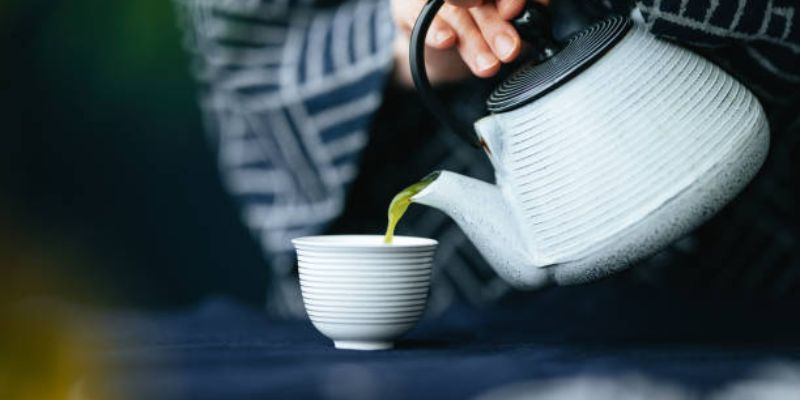
Cold brew green tea creates smooth flavor with low bitterness. Add leaves to cold water and leave it in the fridge for a few hours. This method brings out fresh aroma and works well with loose leaf tea.
Iced green tea starts with a stronger steep because ice will dilute the flavor. Natural sweeteners help balance taste without covering it. Some people freeze brewed tea into ice cubes so the drink does not lose strength.
Light brews work well for morning routines, while strong brews help people who want the best green tea taste in a short time. Adjusting leaf amount and steep time makes this simple.
Antioxidants in tea stay strong when the water temperature stays in the right range. Heat that is too high lowers nutrient quality. Keeping the steep time short protects the compounds that give people many green tea benefits.
Fresh water helps preserve nutrients more than reused water. When water loses oxygen from repeated boiling, the tea becomes flat. Drinking green tea at gentle times during the day works best, such as morning or afternoon. Drinking late at night may affect sleep for some people.
This is why many wellness groups talk about daily habits and consistent brewing. People who follow routines surrounding nutrition focus often find green tea easy to fit into their day.
A perfect cup begins with fresh leaves, clean water, and the right temperature. These three steps decide flavor, aroma, and smoothness. Anyone who masters these basics can control every part of the taste.
Consistency grows with practice. Paying attention to water temperature for green tea, steep time, and leaf amount helps build a steady routine. Over time people learn how small changes create rich flavor and lasting comfort in every cup.

Dessert
October 23, 2025

Meat
October 30, 2025

Meat
October 2, 2025
Nutrition
October 30, 2025
Beverage
October 25, 2025

Dessert
October 12, 2025

Meat
October 22, 2025
Beverage
October 27, 2025

Beverage
October 24, 2025

Recipe
September 29, 2025