Recipe
The Best Mac and Cheese Recipe for Everyone to Cook
October 22, 2025
Recipe
The holiday season isn't complete without the sweet aroma of freshly baked Christmas cookies filling your home. Whether you're a baking novice or seasoned pro, mastering the art of Christmas cookie making will transform your celebrations and create lasting memories for family and friends.
The holiday season isn't complete without the sweet aroma of freshly baked Christmas cookies filling your home. Whether you're a baking novice or seasoned pro, mastering the art of Christmas cookie making will transform your celebrations and create lasting memories for family and friends.
Christmas cookies trace their origins to medieval Europe, where spices like cinnamon, nutmeg, and ginger were precious commodities reserved for special occasions. German lebkuchen, Italian biscotti, and Scandinavian pepparkakor each contributed unique flavors and techniques to the global cookie tradition. As European settlers traveled worldwide, they carried these cherished recipes, adapting them with local ingredients and customs.
The Victorian era popularized elaborate cookie decorating, while the 20th century introduced cookie exchanges—delightful traditions where neighbors and friends share homemade varieties. Today, Christmas cookie baking remains a beloved ritual that bridges cultures, generations, and communities, transforming simple ingredients into symbols of hospitality, creativity, and seasonal joy that define the holiday spirit across different regions and families.
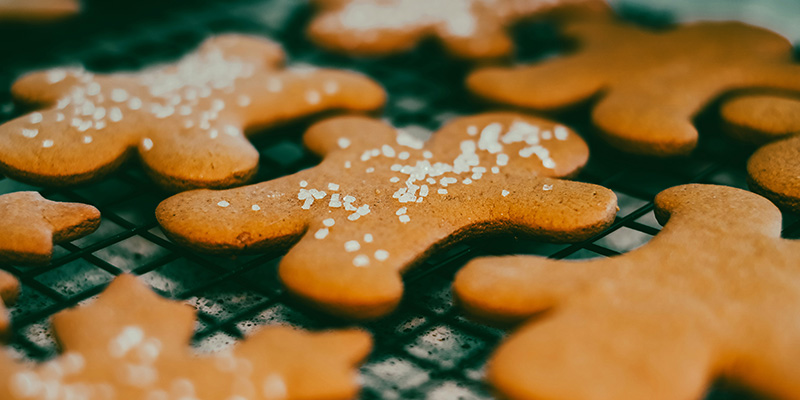
Success in Christmas cookie baking begins with understanding your ingredients. Flour forms the foundation—all-purpose flour creates tender cookies, while bread flour adds chewiness. For delicate textures, try cake flour.
Butter versus margarine makes a significant difference. Real butter provides superior flavor and creates cookies that spread beautifully, while margarine can make cookies tough. Always use room temperature butter for proper creaming—this typically takes 30-60 minutes at room temperature.
Sugar varieties each serve unique purposes. Granulated sugar creates crisp edges, brown sugar adds moisture and molasses flavor, while powdered sugar produces tender, melt-in-your-mouth textures. The type of sugar you choose directly affects both texture and taste.
Essential spices include cinnamon, nutmeg, and ginger. Buy whole spices and grind fresh for maximum potency. Store spices in airtight containers away from heat to maintain their strength.Pure vanilla extract elevates every cookie, while seasonal extracts like peppermint and almond create festive variations.
Measure ingredients by weight when possible for consistency, and for dietary restrictions, substitute coconut oil for butter or applesauce for eggs. Quality ingredients truly make the difference between good cookies and unforgettable ones.
2¾ cups all-purpose flour
1 cup unsalted butter, room temperature
¾ cup granulated sugar
1 large egg
1 teaspoon vanilla extract
½ teaspoon salt
1. Cream butter and sugar using an electric mixer for 3-4 minutes until light and fluffy—the mixture should look pale yellow and increase in volume significantly.
2. Add egg and vanilla, beating until fully incorporated. The mixture may look slightly curdled initially; this is completely normal and will smooth out.
3. Combine dry ingredients in a separate bowl, then gradually add to butter mixture on low speed until just combined. Avoid overmixing to prevent tough cookies—stop as soon as flour disappears.
4. Chill dough wrapped in plastic for at least 2 hours or overnight. This prevents spreading and makes rolling much easier to handle.
5. Roll on floured surface to ¼-inch thickness. Work with half the dough at a time, keeping remainder chilled to maintain proper consistency.
6. Cut shapes and place on parchment-lined baking sheets, spacing 2 inches apart to allow for spreading.
7. Bake at 350°F for 8-10 minutes until edges are barely golden. Centers should still look slightly underbaked—they'll continue cooking on the hot pan.
Troubleshooting: If cookies spread too much, chill cut shapes before baking. For chocolate variation, substitute ¼ cup flour with cocoa powder. Add chopped nuts or dried cranberries during final mixing for delightful texture variations.
Transform your holiday baking with classic Christmas cookie shapes that capture the season's magic.
Traditional favorites include five-pointed stars, evergreen trees, delicate snowflakes, striped candy canes, cheerful gingerbread men, and elegant bells. Each shape offers unique decorating opportunities to showcase your creativity and personal style. For perfectly crisp edges, chill your dough thoroughly before cutting and use sharp, clean cookie cutters with decisive downward pressure. Avoid twisting motions that can blur fine details and create ragged edges.
Royal icing creates the smoothest, most professional finish. Master the flooding technique by outlining cookies with thick consistency icing, then filling with thinned icing using a squeeze bottle. Wet-on-wet decorating allows you to drag toothpicks through contrasting colors for marbled effects or heart patterns.
Buttercream offers easier handling for beginners, while sprinkles, colored sugars, and edible glitter add instant sparkle and festive appeal. Essential decorating tools include piping bags, various tips, fine brushes, and stencils for intricate patterns.
Create themed sets like winter wonderlands or Santa's workshop scenes. Package decorated cookies in clear cellophane bags tied with festive ribbons, or arrange in decorative tins lined with parchment paper for memorable gifts that spread holiday cheer to friends and family.
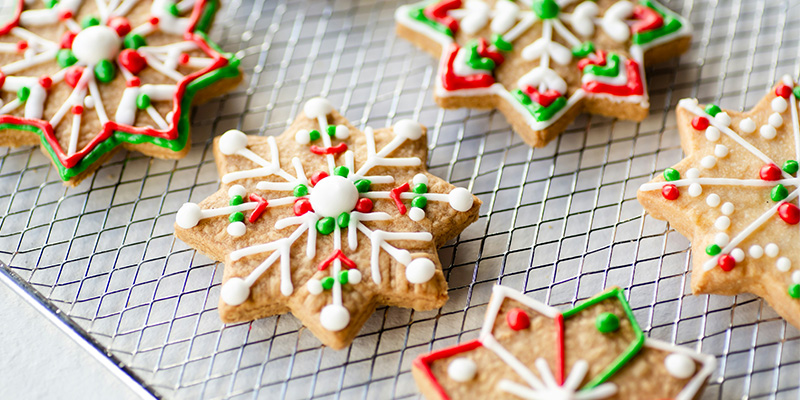
Achieving bakery-quality Christmas cookies at home requires attention to crucial details that separate good cookies from exceptional ones. First, invest in an oven thermometer—most home ovens run 25-50 degrees off according to the American Test Kitchen, which can ruin even perfect dough.
Space cookies at least 2 inches apart to prevent merging and ensure even heat circulation. Cooling technique matters tremendously: let cookies rest on the baking sheet for 2-3 minutes before transferring to wire racks. This prevents breaking while allowing proper texture development.
Avoid these common pitfalls: overbaking (cookies continue cooking on hot pans), uneven browning (rotate pans halfway through), and shape loss (chill decorated dough 30 minutes before baking). For consistent results, weigh ingredients rather than using volume measurements, and bring eggs and butter to room temperature before mixing.
Maintain freshness by storing different cookie types separately in airtight containers with parchment layers. Soft cookies benefit from a slice of bread to retain moisture. Most cookies freeze beautifully for up to three months—wrap individually or layer with parchment in freezer bags for long-term storage.
Christmas cookie baking transforms simple ingredients into edible memories that warm hearts and homes throughout the holiday season. Embrace the process, learn from each batch, and remember that every expert baker started with their first imperfect cookie. Your kitchen awaits—gather your ingredients, preheat that oven, and let the magic begin! Start with our classic sugar cookie recipe and watch as your home fills with the irresistible aroma of homemade holiday joy.
Recipe
October 22, 2025

Dessert
September 29, 2025

Beverage
October 2, 2025
Dessert
September 21, 2025
Nutrition
October 21, 2025
Meat
October 30, 2025

Nutrition
October 28, 2025
Recipe
October 22, 2025
Recipe
October 22, 2025
Nutrition
October 30, 2025