Recipe
Day of the Dead Food & Drink: 10 Iconic Recipes That Honor Your Loved Ones
September 29, 2025
Dessert
French macarons look simple, but many people struggle with cracked tops, hollow centers, or shells that never form feet. Learning how to make French macarons starts with understanding how each small step affects the results.
French macarons look simple, but many people struggle with cracked tops, hollow centers, or shells that never form feet. Learning how to make French macarons starts with understanding how each small step affects the results.
This guide uses simple language and expert methods to help anyone make smooth, even, pastry-chef-style shells at home.
Many people expect macarons to behave like normal cookies, but they react to moisture, heat, and mixing more than most baked goods. Problems like cracks, soft shells, or no feet usually come from small mistakes in the batter or oven setup.
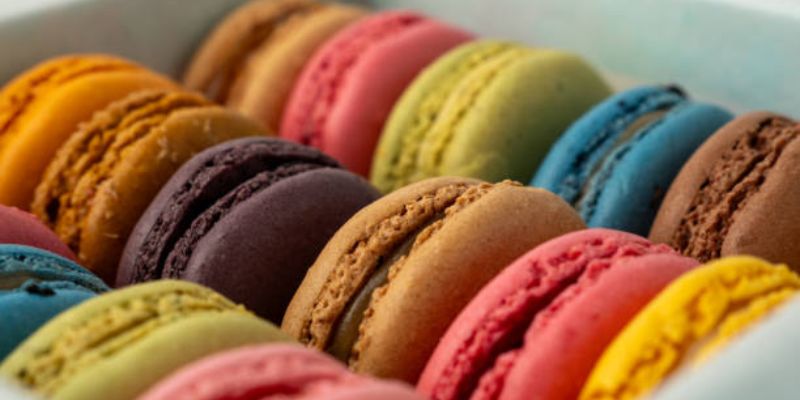
Beginners often enter the process unsure about egg white texture, the right folding stage, or how long to rest the shells. Tutorials often skip the deeper reasons behind failures, so this guide explains the exact steps that keep French macarons consistent.
Most failed batches come from overmixed or undermixed batter, poor meringue structure, or oven temperatures that shift too much. Using uneven piping pressure also leads to misshapen shells.
Clear signs of proper egg white peaks, folding stages, and shell readiness help remove guesswork. Knowing what each stage should look like makes a big difference.
Beginners often skip using a scale, sieve, or thermometer. These tools prevent many problems before the batter even reaches the oven.
Macarons depend on accuracy. A scale ensures the right ratio, a sieve removes lumps, and an oven thermometer helps track real heat levels. Consistent tools reduce the chances of cracked shells and hollow centers.
Kitchen scale for accurate measurements
Fine mesh sieve to smooth the almond flour
Piping bag with round tip
Oven thermometer to avoid uneven heat
Silicone mat or parchment to hold the shell shape
Good almond flour helps macaron shells stay smooth. Fresh egg whites whip well, but aged egg whites often give more stable meringue. Granulated sugar adds structure, and gel coloring keeps the batter from thinning.
A clean, dry surface keeps moisture away. Humidity makes resting and baking harder, so a low-moisture space gives better results.
This part of learning how to make French macarons is where most beginners struggle. A proper meringue and well-folded batter create the smooth tops and firm feet people want.
Egg whites are whipped with sugar until they reach a glossy stage. This method is easier than the Italian version and suits beginners well.
Whip until soft peaks form, then add sugar a little at a time. Continue until the mixture forms stiff peaks that point straight up.
Folding combines dry ingredients with the meringue. The batter should flow slowly and form a ribbon that blends back into itself within ten seconds. Overmixing makes flat shells, and undermixing creates lumpy tops.
Use gel coloring to protect the structure. Too much liquid weakens the macaron shells.
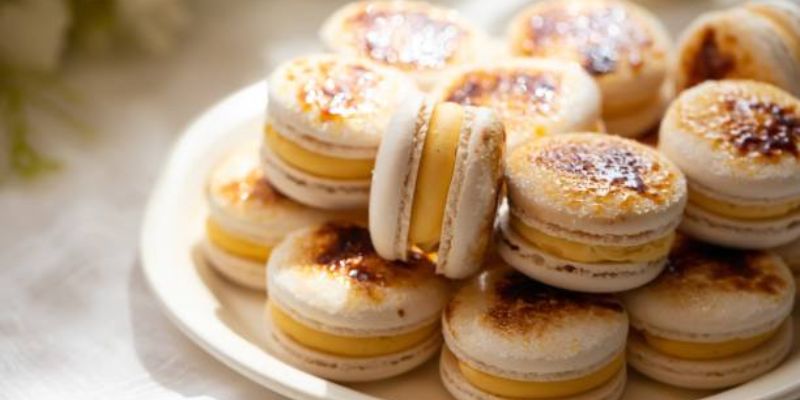
Piping consistent circles helps the shells bake evenly. Resting them allows a thin skin to form, which later helps create feet.
Hold the piping bag straight and squeeze from the top. Stop pressure before lifting to keep the tops smooth.
The resting time varies with humidity. In dry weather, shells may rest for 20 minutes. In humid conditions, they may need up to an hour.
A stable skin prevents spreading, while a well-heated oven stops cracks caused by steam trying to escape too quickly.
Ovens can be inconsistent, so the baking stage often confuses beginners. Watching shell texture and feet formation is more accurate than time alone.
Some ovens run hotter than their displays. Checking oven temperatures with a tool designed for safer kitchens, such as those used in kitchen safety guidelines, helps keep the heat steady.
Lightly touch the top. If it doesn’t wobble, the shell is done. The base should also lift cleanly from the mat once cooled.
If shells brown too quickly, lower the temperature. If they stay sticky, bake a few minutes longer.
Good fillings keep shape and balance the sweetness of the shells. Thick textures work best because thin fillings soften macaron shells too quickly.
Simple chocolate ganache, flavored buttercream, or fruit fillings all work well. Avoid watery mixtures that cause the shells to collapse.
Fillings with a bit of fat, like chocolate or butter, help the macarons mature without turning soggy.
Some pastry chefs use the same base filling and add new flavors. Many people explore new ideas by checking classic baking ingredients for inspiration.
Letting macarons rest after filling gives them their chewy center. Professionals always mature their macarons before serving.
The filling softens the inside of the shells and creates the texture macarons are known for.
Keep filled macarons in an airtight container in the fridge for 24 hours. They can also be frozen for longer storage.
Most filled macarons stay fresh for about five days when chilled.
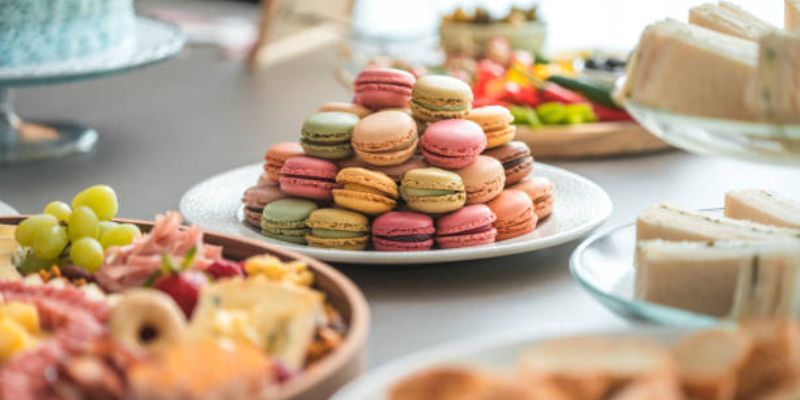
Beginners often make the same mistakes, so a quick guide can help save a batch.
Usually caused by low oven heat or batter mixed too lightly.
Overmixed batter, rushed resting time, or unstable meringue often cause hollow shells.
Even uneven shells can be filled and enjoyed. Practice makes the shells more consistent.
French macarons become easier with practice, especially when using clear steps and consistent tools. Professional bakers follow routines, test their ingredients, and even explore new textures through recipe ideas that help spark flavor inspiration. With steady habits, beginners learn how each stage affects the next, and the results improve with every batch.

Recipe
September 29, 2025
Recipe
October 9, 2025
Recipe
November 12, 2025

Dessert
October 23, 2025
Beverage
September 30, 2025

Beverage
October 2, 2025

Beverage
October 4, 2025
Dessert
September 30, 2025

Beverage
November 1, 2025
Meat
October 31, 2025