Recipe
The Best Mac and Cheese Recipe for Everyone to Cook
October 22, 2025
Beverage
Chai tea is a warm, creamy drink that many people want to make at home, but getting the true Indian chai taste can be a challenge. Most beginners struggle with spice balance, the right boil, and choosing the best tea leaves.
Chai tea is a warm, creamy drink that many people want to make at home, but getting the true Indian chai taste can be a challenge. Most beginners struggle with spice balance, the right boil, and choosing the best tea leaves.
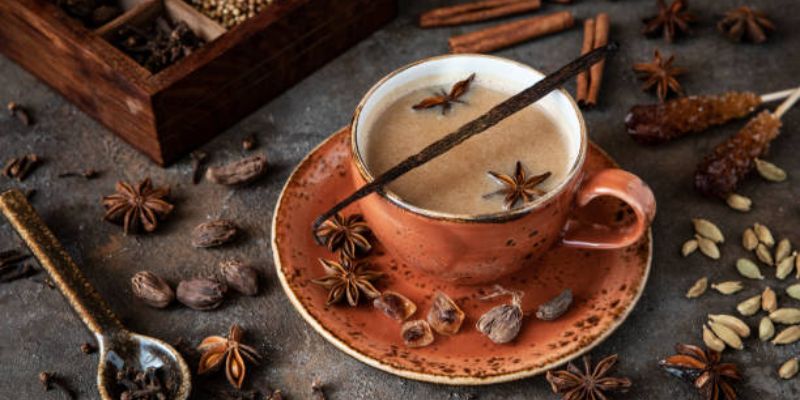
Indian chai tea is boiled, not steeped. The mix of black tea, milk, sugar, and chai spices creates a rich and creamy drink. The boil blends the flavors in a way steeped tea never can.
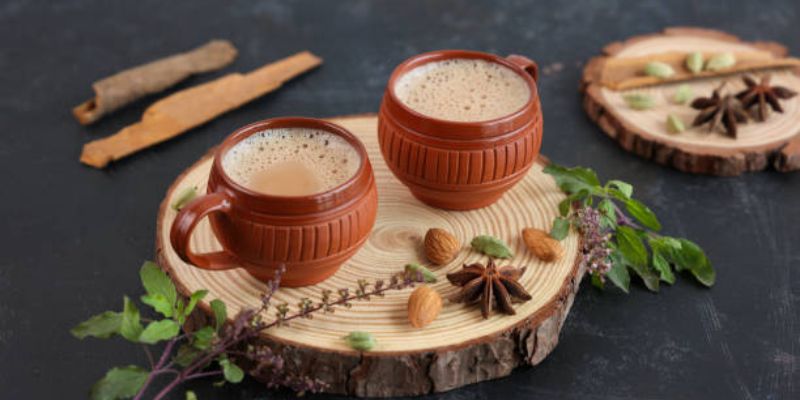
Indian chai has a warm mix of sweetness, spice, and bold tea. The mix is smooth because boiled milk softens the strong tea leaves. The balance of all parts is what gives masala chai its charm.
A quick boil is not enough. Indian homes boil chai long enough for the tea leaves to open fully. This helps the flavor become deep but still smooth.
Too much spice can overpower the drink. Too little makes it flat. Crushing spices lightly brings out the natural oils without making the chai bitter.
Water
Milk
Black tea leaves
Sugar
These build the base of good chai tea. Indian chai depends on simple items that mix well when boiled.
Ginger
Cardamom
These two create a soft heat and sweet smell. They are the most common chai spices in Indian homes.
Cinnamon
Cloves
Black pepper
Star anise
These add more warmth when making masala chai. Use them lightly to avoid covering the tea flavor.
CTC black tea works best. These tea leaves brew fast and hold their flavor even after long boiling. Many well-known brands like strong tea blends offer versions that match the bold style needed for chai tea.
Crush cardamom pods and ginger. Crushing helps release the oils that give Indian chai its deep smell. Do not grind them into powder because that can make the drink muddy.
Add the crushed spices to the water. Simmer on low heat so the flavor spreads evenly. This helps the base become rich before the milk goes in.
Pour in the milk and let it rise to a steady boil. Milk changes the texture and gives chai tea its creamy look. This is the same method used in many homes where boiled milk is part of daily cooking, similar to how some guides on food preparation safety note the value of heat control in kitchen tasks.

Add the tea leaves only after the milk boils. This keeps the tea from turning bitter. Let the tea brew for a few minutes so the color and taste deepen.
Sugar blends faster in hot chai. Adjust the amount based on how sweet you want it. Many families add it during boiling so it melts fully.
Strain into cups right away. This keeps the spices from making the chai stronger than needed.
Most homes use a 1:1 ratio. This creates thick, creamy chai tea. If you prefer lighter chai, add more water.
A slow boil of about 3 to 5 minutes helps the chai spices blend well. Masala chai may need one extra minute.
If chai tea is weak, boil a little longer. If it is too strong, add a small splash of milk. These simple steps make flavor control easy.
Cold mornings call for more ginger. Warm days work better with light cardamom. Many families keep a small box of chai spices ready, similar to how large ingredient suppliers sort items for easy use in home cooking.
Use cinnamon, cloves, and pepper along with ginger and cardamom. Masala chai tastes bold and is often served during cooler months.
Add more crushed ginger. This gives the chai tea a bright heat that many enjoy in the morning.
Use extra cardamom pods. The sweet smell pairs well with light snacks.
Boil the milk longer until it thickens slightly. This gives the chai tea a rich texture found in many street stalls.
Fresh ginger gives a stronger flavor than powdered ginger. Powder can taste sharp and may not blend well.
Always heat the water and spices first. Add milk only after the spices warm up. This prevents curdling when making Indian chai.
Strong CTC leaves work best. They help the chai tea hold its flavor even after long boiling.
Let chai rest for 30 seconds before serving. This helps the flavor settle and gives a smoother sip.
This makes chai tea bitter. Add them only after the milk boils.
A short boil keeps the chai spices from opening fully.
Low-fat milk gives thin chai. Whole milk brings a richer taste.
Spice overload hides the rich tea flavor that Indian chai is known for.
Small cups help keep the chai tea hot and fragrant.
Many homes serve Indian chai with biscuits or bread.
Pouring chai tea from a slight height creates bubbles that cool it just enough for sipping.
Making chai tea at home becomes easy when you follow the right steps. Using the right tea leaves, balancing chai spices, timing the boil, and choosing proper milk help bring out the true Indian chai flavor. With these steps, anyone can prepare a warm cup that tastes close to what is enjoyed in many Indian homes.
Recipe
October 22, 2025
Nutrition
October 21, 2025

Recipe
October 10, 2025

Beverage
October 24, 2025

Beverage
October 4, 2025

Meat
October 24, 2025
Meat
October 5, 2025
Meat
October 30, 2025

Recipe
October 26, 2025

Recipe
September 29, 2025