Nutrition
Gut Health 101: Probiotic, Prebiotic, And Postbiotic Foods
October 15, 2025
Meat
Marinate meat the right way if the goal is deep taste, better texture, and a juicy finish. Many people mix random ingredients and hope for flavor, but real results come from understanding how marinating works.
Marinate meat the right way if the goal is deep taste, better texture, and a juicy finish. Many people mix random ingredients and hope for flavor, but real results come from understanding how marinating works.
A good marinade recipe depends on balance, timing, and choosing the right ingredients for the meat. When the technique is correct, flavor absorption improves, and the meat cooks tender without becoming mushy.
Marinating helps add flavor mainly to the surface of the meat. Even with long soaking, marinades do not reach deep into thick cuts. However, the right mix of salt and umami can help some flavor absorption happen under the surface. Knowing this helps set realistic expectations.
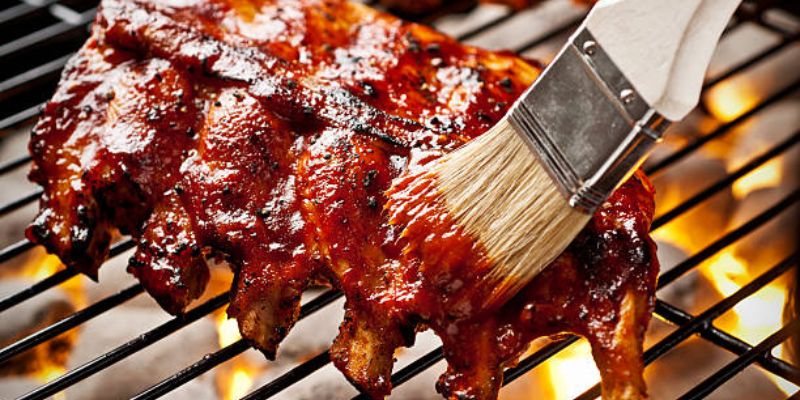
Acids like vinegar, wine, or citrus help tenderize meat, but only in small amounts. Too much acid breaks down proteins too quickly and leads to a mushy finish. Salt, yogurt, and buttermilk gently tenderize meat while keeping its structure. Balance is key for a successful marinade recipe.
Acid brightens flavor and helps tenderize meat. Lemon juice, yogurt, wine, or apple cider vinegar are common choices. The acid should never be more than one-third of the total marinade recipe to prevent texture damage.
Fat carries flavor and locks moisture into the meat. Olive oil, sesame oil, and neutral vegetable oils work well. The fat helps spread herbs and spices across the surface evenly during flavor absorption.
Salt is the strongest element for flavor absorption. It draws flavor deeper into the meat fibers and helps keep moisture during cooking. Soy sauce, miso, Worcestershire sauce, and fish sauce also add deep savory character when used in cooking marinade blends.
Garlic, onion, ginger, rosemary, thyme, basil, and pepper build recognizable flavor. Fresh herbs are best added near the end, while dried herbs can sit longer in the marinade.
Honey, brown sugar, or maple syrup promotes browning during cooking. A small amount increases caramelization and improves crust without making the meat taste sweet.
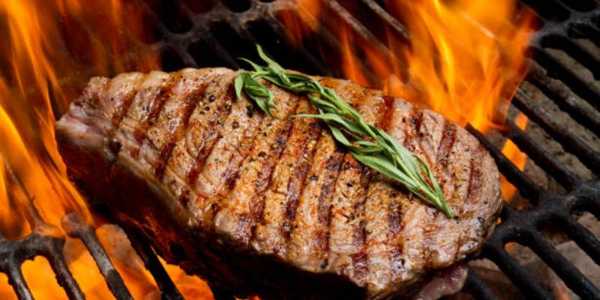
Bold flavors work well here. Soy sauce, garlic, pepper, and wine support a rich taste. Red meats benefit from longer marinating times for flavor absorption, usually 6 to 24 hours, depending on cut thickness.
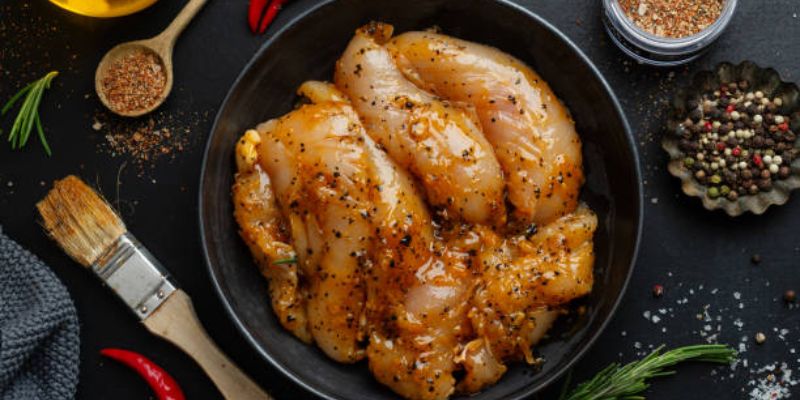
Poultry responds well to yogurt and buttermilk, which tenderize meat gently. Too much acid can make poultry stringy. For chicken breast, 30 minutes to 2 hours is enough. For whole chicken or thighs, 4 to 12 hours works better.

Pork pairs nicely with sweet and savory blends. Brown sugar, mustard, garlic, and soy sauce are common in cooking marinade recipes for pork. Most cuts do well between 2 and 12 hours.
Protein fibers in seafood break down quickly. Only marinate fish for 15 to 45 minutes. Citrus-heavy marinade recipes should be used lightly to avoid a ceviche-like texture unless that is the goal.
Removing surface moisture helps the marinade stick and improves flavor absorption.
Scoring tougher red meats allows flavor to penetrate better. Avoid piercing poultry, since it may make it lose juices.
Use at least 1/2 cup of marinade per pound of meat. Ensure the meat is coated evenly.
Glass, ceramic, or food-safe plastic bags work best. Avoid metal containers because acids can react with metal.
Keep marinating chilled to stop bacterial growth. Time guidelines:
Fish: 15–45 minutes
Chicken breast: 30 minutes–2 hours
Pork: 2–12 hours
Beef: 6–24 hours
Letting the meat warm slightly helps it cook evenly and brown well.
Excess acid makes the meat soft and mushy instead of tender.
Salt supports deeper flavor absorption. Without salt, the marinade sits only on the surface.
More time does not always mean more flavor. After the correct time, the texture begins to break down.
Used marinade carries raw meat juices. If reusing for basting, boil it for safety. The USDA recommends heating used marinades before reuse to prevent contamination.
Use marinated meat within 2 days for the best quality and food safety.
Freezing works well and improves flavor absorption. Freeze raw meat with marinade for up to 3 months.
If left at room temperature for more than 2 hours or used without boiling after raw contact, discard it.
Chili paste, curry paste, or miso paste adds depth.
This keeps herbs bright and prevents bitterness.
Use a boiled cooking marinade for brushing meat during grilling or roasting.
Pat the meat dry to encourage browning. Too much moisture prevents crust formation.
Preheat the pan well and avoid overcrowding. Crowding steams the meat.
Many slow-cooked meats do better with a dry spice rub instead of a marinade recipe. Long heat naturally tenderizes meat.
For deeper technique guidance, resources like Serious Eats and Bon Appetit explore ingredient behaviour and cooking timing.
To marinate meat for maximum flavor, choose the right balance of acid, fat, salt, and aromatics. Respect marinating times, avoid common mistakes, and match cooking methods to the type of meat. With the right marinade recipe and careful technique, flavor absorption improves and the final dish turns out tender, juicy, and richly seasoned.

Nutrition
October 15, 2025
Nutrition
October 30, 2025

Recipe
October 14, 2025
Meat
October 5, 2025

Dessert
October 12, 2025

Beverage
September 30, 2025

Nutrition
October 28, 2025
Meat
October 30, 2025

Dessert
October 23, 2025
Nutrition
October 21, 2025