Meat
The Right Way to Marinate Meat for Maximum Flavor
October 24, 2025
Nutrition
Gut health is not just a trend. The bacteria in your gut affect digestion, immunity, cravings and even mood. Learning the basics of probiotic, prebiotic and postbiotic foods gives you real control over that system, not just vibes.
Gut health is not just a trend. The bacteria in your gut affect digestion, immunity, cravings and even mood. Learning the basics of probiotic, prebiotic and postbiotic foods gives you real control over that system, not just vibes.
Your gut is home to trillions of microorganisms, mostly bacteria, called the gut microbiota.[1] When this community is balanced, it helps you digest food, absorb nutrients and support your immune system. When it is out of balance, you may see bloating, irregular bowel habits and a higher risk of some diseases.[1][2]
Food is one of the most powerful tools you have to shape this gut ecosystem, every single day.
Probiotics are live microbes that give health benefits when you eat them in the right amounts.You can get them from supplements, but many traditional foods already contain them.
Common probiotic foods:
Yogurt with live and active cultures
Kefir, a drinkable fermented milk
Fermented vegetables like sauerkraut and kimchi
Miso and tempeh are made from soy
Some fermented drinks, like kombucha
These foods introduce helpful bacteria into your gut. For yogurt and kefir, look for labels that mention live and active cultures and keep sugar content on the lower side.[1]
Probiotics need to eat too. Prebiotics are types of fiber and plant compounds that your body does not digest, but your gut bacteria love.
Good prebiotic food sources include:
Onions, garlic and leeks
Asparagus and artichokes
Bananas, especially slightly green ones
Oats and barley
Beans, peas and lentils
Nuts and seeds
When you eat these foods regularly, they help your good bacteria grow and make helpful substances that support gut and overall health.
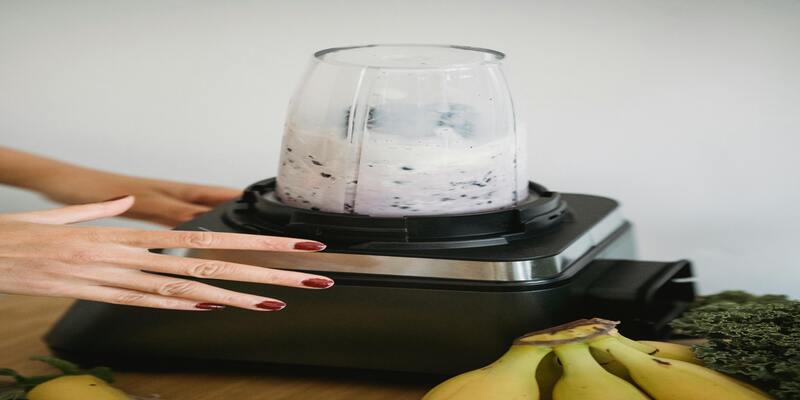
Postbiotics are the useful compounds produced when your gut bacteria break down prebiotic fibers. A key group are short-chain fatty acids, which help support the gut lining and may help calm inflammation.[2]
You do not really buy “postbiotic foods” in the same way. Instead, you create more postbiotics by:
Eating plenty of prebiotic fiber
Including probiotic foods often
Keeping a generally plant rich diet
Some products are starting to market “postbiotic” ingredients, but the basic science still points back to a simple pattern. Feed your microbes well and let them do their job.[2]
You do not need a complicated gut health protocol. Use a simple formula most days.
On a normal day, try to include:
One probiotic food, like yogurt, kefir or fermented vegetables
Several prebiotic-rich foods, like oats at breakfast and beans or onions at lunch or dinner
A mix of colorful fruits and vegetables for extra fiber and plant compounds
Example day:
Breakfast: Oatmeal with banana slices and a spoonful of yogurt on top
Lunch: Lentil soup with onions, garlic and carrots, plus a side salad
Snack: Handful of nuts and a piece of fruit
Dinner: Stir fry with beans, onions, broccoli and brown rice, plus a small side of kimchi
This kind of pattern gives your gut bacteria the building blocks they need daily.
You do not have to be a chef. Start with easy combinations.
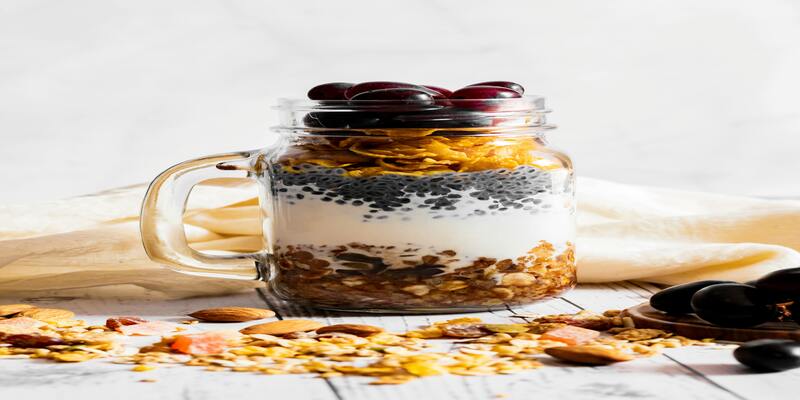
Plain yogurt with live cultures
Half a sliced banana
Spoon of oats or granola
Sprinkle of ground flaxseed and walnuts
You get probiotics from yogurt, prebiotic fiber from bananas and oats, and healthy fats that keep you full.
Olive oil, garlic and onion
Canned chickpeas, rinsed
Chopped vegetables like broccoli or peppers
Herbs, salt and pepper
Sauté garlic and onion, add chickpeas and vegetables, then cook until hot and tender. Serve with brown rice. This one is loaded with prebiotic fibers that your gut bacteria can ferment into helpful postbiotics.
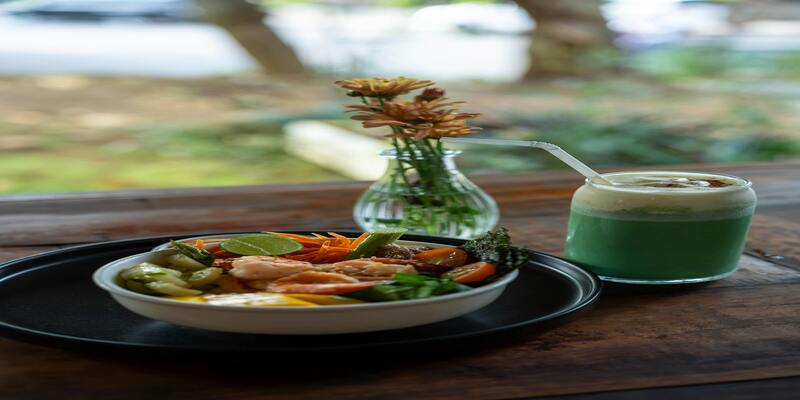
Gut health 101 sounds fancy, but it really comes down to what lands on your plate most days. You do not need a perfect diet or a long supplement list.
Start by picking one probiotic food you like and one or two prebiotic-rich foods you already eat. Add them on purpose a few times a week. As you feel comfortable, layer in more beans, whole grains, fruits and vegetables.
If you have digestive conditions, immune issues, or take regular medication, talk with your doctor or a registered dietitian before making big changes. They can help you adapt probiotic and prebiotic foods to your situation safely.[1][2]
Small, consistent shifts in what you eat can slowly reshape your gut environment, support digestion and help you feel more steady day to day.
[1] Probiotics: What You Need To Know
[2] The Gut Microbiome

Meat
October 24, 2025

Dessert
September 21, 2025
Meat
October 5, 2025
Nutrition
October 13, 2025

Meat
October 5, 2025
Dessert
September 21, 2025
Meat
October 24, 2025
Nutrition
October 15, 2025

Beverage
November 1, 2025

Dessert
October 6, 2025