Beverage
7 Secrets to Brewing the Perfect Cup of Green Tea
October 24, 2025
Meat
Cooking beef without drying it out can feel tricky. The main keyword how to cook beef without drying it out appears early here so readers know they are in the right place. Many people struggle with tough, chewy beef because the moisture escapes during cooking.
Cooking beef without drying it out can feel tricky. The main keyword how to cook beef without drying it out appears early here, so readers know they are in the right place. Many people struggle with tough, chewy beef because the moisture escapes during cooking.
Keeping beef juicy is mostly about choosing the right beef cuts, using the right heat, and letting the meat rest. These simple steps help anyone cook juicy beef, even with basic equipment.
When beef cooks, the muscle fibers tighten. As they tighten, moisture is pushed out. If the temperature is too high or the beef cooks too long, most of the moisture escapes. This makes the beef dry instead of tender.
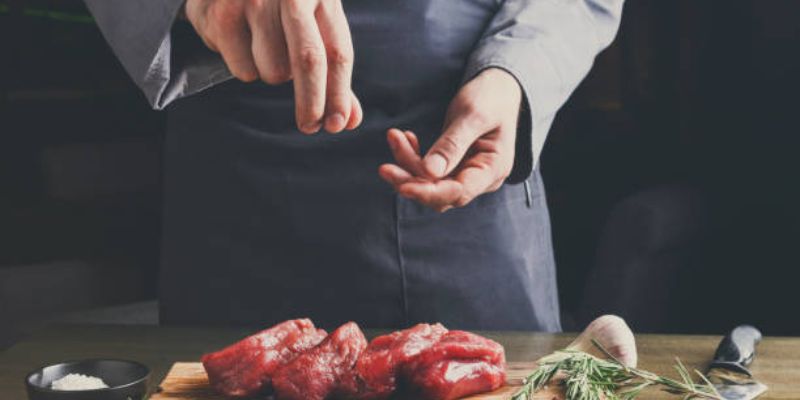
Different beef cuts react differently to heat. Lean beef cuts lose moisture faster because they have less fat. Fat helps protect flavour and texture, so choosing the right beef cuts helps keep juicy beef on the table.
Some beef cuts are naturally tender, while others need slow cooking to stay moist.
Chuck roast
Brisket
Short ribs
These beef cuts have more connective tissue and stay juicy when slow-cooked over several hours.
Ribeye
Sirloin
Skirt steak
These cuts are tender and do well with hot, fast heat without drying out.
Round steak
Flank steak
Top sirloin tip
These lean beef cuts benefit from marinating and careful heat control.
Good preparation helps keep juicy beef, no matter which beef cuts are used.
Cold beef placed on high heat cooks unevenly. Letting it rest at room temperature for 20 to 30 minutes promotes even heating.
Patting beef dry before searing helps it brown better. Browning adds flavour without long cooking times.
Salt can either lock moisture in or pull it out. For juicy beef, either salt right before cooking or dry-brine several hours before.
Acidic marinades help soften tougher fibres. However, marinating improves flavour, while gentle heat prevents dryness.
The way heat is used matters more than almost anything else when learning how to cook beef without drying it out.
Tender cuts → Quick, hot cooking
Tough cuts → Slow cooking at low heat
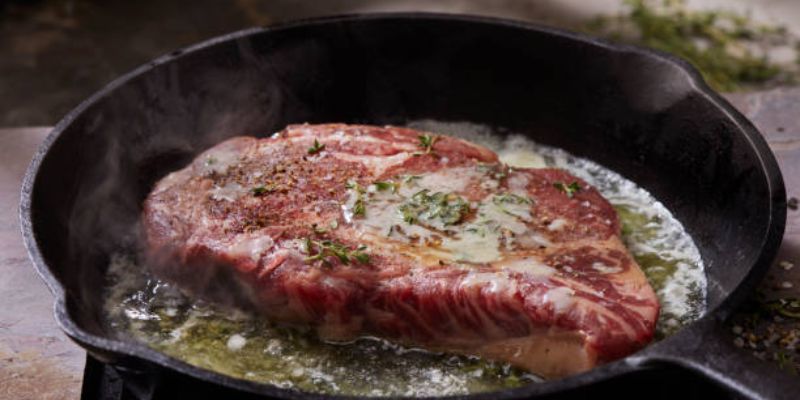
Sear just long enough to create a crust, then lower the heat or finish in the oven.
A meat thermometer removes guesswork. It helps avoid overcooking, which is the main cause of dry beef. Many home cooks rely on internal temperature guidance provided by the USDA to stay safe and accurate.
Let beef rest 5 to 15 minutes before cutting. Resting allows juices to redistribute for juicy beef.
Different methods help hold moisture in the meat.
Sear both sides, then reduce the heat or move the beef to the oven. A cast-iron pan works well for even heat.
Roast at moderate heat, not very high heat. This helps retain moisture and tenderness.
Slow cooking is one of the most reliable ways to get juicy beef. Low heat over several hours breaks down collagen and naturally keeps meat moist. Many cooks use slow cooker recipes found on trusted sources like Food Network for guidance.
Use medium heat instead of the hottest flames. High flames burn the outside while drying the inside.
Braising uses a mix of liquid and heat. Cooking beef partly covered in broth or sauce protects it and builds rich flavour.
Ground beef can become dry quickly if handled incorrectly.
Ground beef with 15 to 20 percent fat produces juicy beef. Leaner blends dry out faster.
Too much mixing makes ground beef dense and tough. Handle lightly before cooking.
Onions, broth, or a small amount of oil help maintain tenderness.
Starting with cold meat
Cooking on high heat for too long
Cutting the meat before resting
Using the wrong cooking method for the selected beef cuts
Avoiding these mistakes makes it easier to cook beef without drying it out.
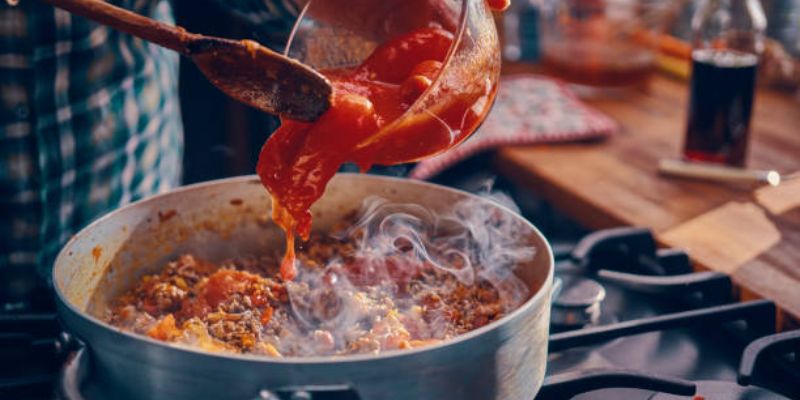
Meat thermometer for temperature control
Cast iron skillet for strong searing performance
Slow cooker or Dutch oven for slow cooking methods
Sharp knife for clean slicing
Cooking experts from sites like Serious Eats also recommend consistent heat control and proper resting to maintain juicy beef every time.
To cook beef without drying it out, choose the right beef cuts, control heat, use a meat thermometer, and let the meat rest. These simple steps help keep juicy beef on the plate, whether grilling, roasting, pan-searing, or slow cooking.
Recipe
October 14, 2025

Beverage
October 24, 2025
Recipe
October 22, 2025
Nutrition
October 30, 2025

Dessert
September 29, 2025
Dessert
September 21, 2025