Beverage
7 Secrets to Brewing the Perfect Cup of Green Tea
October 24, 2025
Dessert
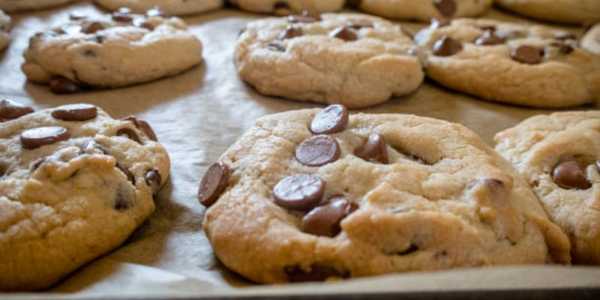
Soft chocolate chip cookies are one of the most common treats people try to bake, yet many struggle to get the right texture. A batch can turn out dry, flat, or cakey when the goal is soft and chewy cookies with a tender center.
Soft chocolate chip cookies are one of the most common treats people try to bake, yet many struggle to get the right texture. A batch can turn out dry, flat, or cakey when the goal is soft and chewy cookies with a tender center.
Soft and chewy chocolate chip cookies depend on holding moisture in the dough. When the dough loses too much water in the oven, the result is a crisp or crumbly texture. Chewy cookies rely on enough moisture to create stretch, and this is controlled by sugar choices, fats, and the way the dough is handled.
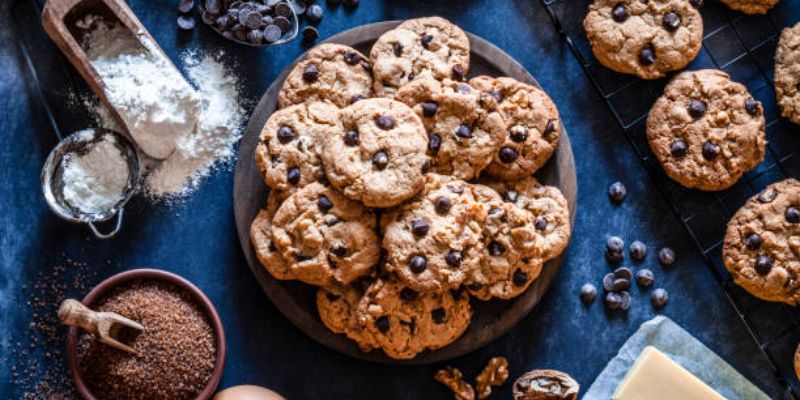
Moisture comes from eggs, brown sugar, and butter. The more moisture that stays in the cookie, the softer it feels after cooling. This is why a soft and chewy chocolate chip cookie recipe relies on gentle baking and balanced ingredients.
Butter adds flavor and helps with spreading. Brown sugar adds moisture that chewy cookies depend on. Mixing too long breaks the structure and pushes out air, which hurts the final texture and makes even a good chocolate chip cookie recipe feel dense.
Flat cookies come from warm dough or too much sugar. Dry cookies are often the result of excess flour or over-baking. These issues are common, even when the chocolate chip cookie recipe looks simple on paper.
The ingredients you choose make soft and chewy chocolate chip cookies easier to achieve, even on the first try. Using balanced flour, the right fat, and enough brown sugar supports both flavor and chewiness.
Each part of the cookie recipe shapes moisture and structure so the chocolate chip dough stays thick in the oven and cools into soft chocolate chip cookies instead of thin discs.
All-purpose flour is the best base for a classic chocolate chip cookie recipe. It gives enough strength to hold shape while still allowing the center to remain soft and chewy.
Butter gives the classic taste that soft chocolate chip cookies are known for. Margarine has more water and can make the cookie spread too much. Oil creates chewy cookies but can weaken flavor and change the feel of the dough.
Using more brown sugar than white sugar keeps moisture locked in and supports the softness most readers want. This balance is one of the simple baking tips that makes a big difference in a chocolate chip cookie recipe.
Extra yolks increase fat and make the dough rich. This makes chewy cookies more reliable and stops the centers from drying. It also helps soft and chewy chocolate chip cookies stay tender after cooling.
Chunks melt into larger pockets while chips hold their shape. Both work well depending on how gooey you want the final cookie. A flexible chocolate chip cookie recipe can use a mix for more texture.
Salt balances sweetness. Vanilla deepens flavor and prevents the dough from tasting flat. Small baking tips like this help soft chocolate chip cookies stand out even when the recipe looks simple.
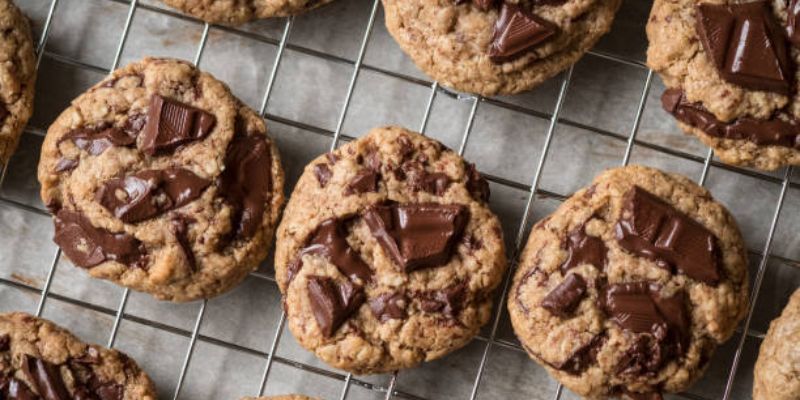
A reliable method prevents mistakes that often ruin a cookie recipe. Small steps, such as mixing wet ingredients for the right amount of time and protecting the chocolate chip dough from heat, ensure soft chocolate chip cookies bake evenly. You often see this careful method used by bakers on Food Network, where timing and mixing are treated as part of the recipe.
Following the same pattern at home makes each soft and chewy chocolate chip cookie batch more predictable.
Use room-temperature butter and eggs. This blends smoothly and avoids lumps that affect spreading. It also helps the chocolate chip cookie recipe bake evenly across the tray.
Combine until just mixed. This keeps chewy cookies from turning tough and protects the soft and chewy chocolate chip cookies from developing a bread-like texture.
Add chips or chunks with a spatula to prevent breaking the structure of the chocolate chip dough. Gentle folding keeps the cookie recipe balanced.
Slightly taller dough balls bake with softer centers and firm edges. This shaping step is one of the easiest baking tips for getting soft chocolate chip cookies every time.
Use a middle rack to help heat flow evenly. This reduces burning and keeps the chocolate chip cookie recipe consistent, batch after batch.
Take cookies out when the edges set, but the centers still look soft. They finish setting on the tray. This is key for soft and chewy chocolate chip cookies that stay tender as they cool.
These extra techniques help anyone move from average cookie results to soft chocolate chip cookies that bake the same way each time. Small baking tips create steady results.
Cold dough melts more slowly, helping chewy cookies stay thick. Chilling also lets the flour hydrate, which supports a softer chocolate chip cookie recipe.
Parchment reduces spread. Silicone helps browning. Both work well depending on your preference, and each surface supports soft and chewy chocolate chip cookies in a slightly different way.
Use cool dough and avoid placing it on a hot tray. This keeps the chocolate chip dough from melting too fast and protects the structure.
Bake until edges set. Let cookies rest for a few minutes before moving them. This short wait is one of the most important baking tips for soft and chewy chocolate chip cookies.
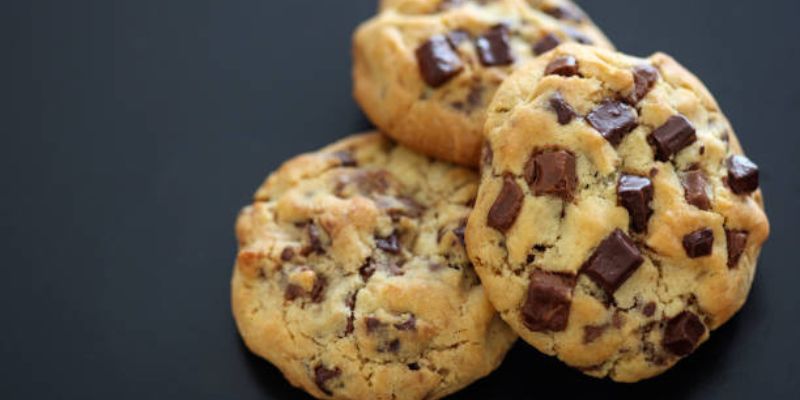
Storage makes a huge difference to the results of any cookie recipe. Even the best batch of soft chocolate chip cookies can dry out if kept poorly, so good storage is part of the baking tips that matter.
Use airtight containers to keep chewy cookies fresh longer. This helps soft and chewy chocolate chip cookies stay tender for days instead of hours.
Freeze shaped dough so you can bake from frozen without changing texture. The chocolate chip dough holds up well and still gives a soft chocolate chip cookie when baked.
Warm for a few seconds to soften the chocolate chip dough inside the baked cookie without drying it. This brings back the feel of fresh, soft, and chewy chocolate chip cookies.
Soft and chewy chocolate chip cookies depend on moisture, gentle mixing, and balanced ingredients. The right blend of butter, brown sugar, and flour helps chewy cookies stay thick with tender centers. Practical techniques such as chilling dough, shaping taller mounds, and watching baking times make the chocolate chip cookie recipe consistent. With careful storage and simple baking tips, each soft chocolate chip cookie feels rich, tender, and easy to repeat in every batch.
Sources

Beverage
October 24, 2025
Recipe
November 12, 2025

Dessert
October 12, 2025
Dessert
October 6, 2025

Beverage
October 2, 2025

Recipe
October 14, 2025

Beverage
November 1, 2025

Dessert
October 20, 2025
Dessert
September 21, 2025
Meat
October 31, 2025