Meat
The Easiest Way to Season Meat Like a Chef
October 31, 2025
Meat
Seasoning meat like a chef can transform ordinary meals into restaurant-quality dishes. Using the right combination of herbs, spices, and techniques brings out the natural flavors and makes every bite memorable. Even beginners can achieve professional results with simple methods.
Seasoning meat like a chef can transform ordinary meals into restaurant-quality dishes. Using the right combination of herbs, spices, and techniques brings out the natural flavors and makes every bite memorable. Even beginners can achieve professional results with simple methods.
With the right approach, cooking meat becomes easier and more enjoyable, whether preparing beef, chicken, pork, or lamb.
Proper seasoning highlights the natural taste of meat. Salt and spices penetrate the meat to enhance flavor, making each bite rich and balanced. Undersalted or poorly seasoned meat often tastes bland, even if cooked perfectly.

Salt and certain marinades help break down proteins in meat, improving tenderness. Meat that is improperly seasoned may become dry or tough, especially cuts like steak or chicken breast. Using the right seasoning technique ensures juiciness and a satisfying texture.
Spices and herbs create appealing aromas that improve the overall eating experience. A well-seasoned roast smells inviting and looks appetizing. Even the visual appeal of a beautifully seasoned steak or roast can make meals feel more special.
Salt is the foundation of seasoning. Table salt dissolves quickly and is useful for immediate seasoning. Kosher salt is preferred by many chefs for even coverage. Sea salt adds subtle mineral flavors and is excellent for finishing dishes. Using the right salt ensures meat absorbs flavor without becoming too salty.
Black pepper adds mild heat, while paprika offers color and smokiness. Garlic powder, chili powder, and cayenne pepper bring depth and warmth. Knowing how to balance these spices is key to achieving flavorful meat without overwhelming taste buds.
Fresh or dried herbs like rosemary, thyme, oregano, and parsley enhance meat with aromatic notes. Fresh herbs provide vibrant flavor, while dried herbs are concentrated and perfect for rubs or long cooking times. Combining herbs with salt and spices creates layers of taste.
Oils, such as olive or vegetable oil, help seasonings adhere and penetrate meat. Acids like lemon juice, vinegar, or wine tenderize meat and add brightness. Combining oil and acid in a marinade ensures even flavor distribution.

Start by cleaning and trimming excess fat. Pat meat dry to allow seasonings to stick properly. Bringing meat to room temperature before seasoning ensures even cooking and better absorption of flavors.
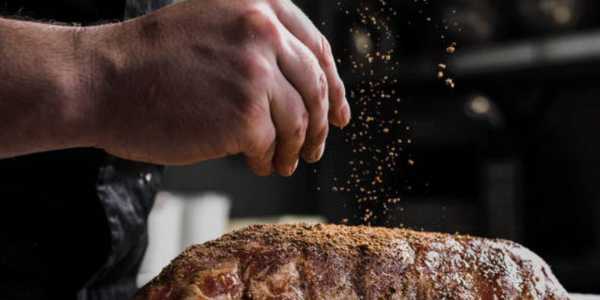
Layering flavors is the key to chef-level seasoning. Start with salt and pepper, then add herbs and spices. Dry rubs work well for short cooking, while wet marinades provide deeper flavor for longer cooking. Applying each layer evenly ensures balanced taste.
Season meat at least 30 minutes before cooking for quick meals, or several hours for marinated dishes. Massage rubs into the meat to help flavors penetrate. For wet marinades, ensure the meat is fully coated and stored in the refrigerator.
Avoid over-salting or uneven coverage. Pre-mixed seasoning blends can be convenient but may contain too much salt or artificial flavors. Measure carefully and taste whenever possible. Using these techniques prevents underwhelming or over-seasoned dishes.
A simple combination of kosher salt and black pepper works for steaks, chops, and chicken. Sprinkle evenly on all sides and let rest before cooking. This method emphasizes the natural flavor of the meat.
Combine rosemary, thyme, garlic powder, and olive oil for a versatile herb rub. Massage the rub onto beef, pork, or chicken. Allow the flavors to meld for at least 30 minutes before cooking.
Mix lemon juice, olive oil, garlic, paprika, and a pinch of salt. Coat the meat fully and refrigerate for 1–2 hours. This method is excellent for quick meals that taste like they were cooked by a professional chef.
Pre-made spice blends like Cajun or Mediterranean seasoning can be adapted. Adjust the salt and herbs to suit your preference. These blends save time and provide consistent flavor.
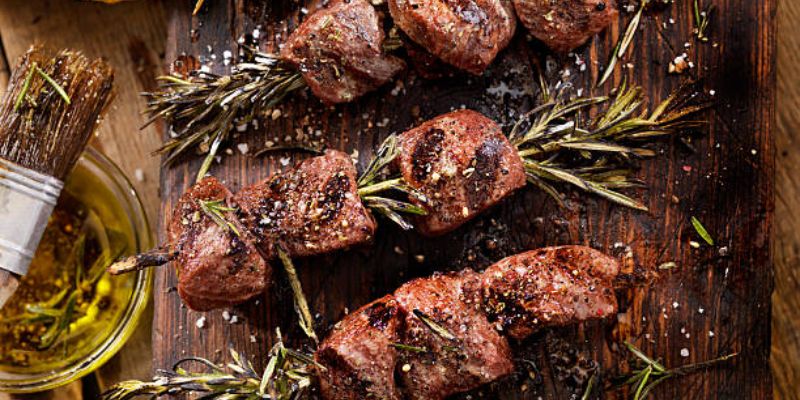
Essential tools include measuring spoons, grinders for pepper and spices, brushes for marinades, and airtight containers for storage. These tools make precise seasoning easier and more consistent.
Store spices in cool, dark places to maintain flavor. Rubs and marinades can be stored in airtight containers for weeks. Fresh herbs are best used immediately, but dried herbs maintain flavor longer.
Start with small amounts of new spices to avoid overpowering meat. Keep notes on successful combinations for future meals. Experimentation improves flavor knowledge without risking a meal.
Seasoning meat like a chef does not require complicated recipes or expensive ingredients. By using the right salts, spices, herbs, oils, and techniques, anyone can enhance flavor, tenderness, and aroma. Following these methods ensures every meal is enjoyable, whether cooking chicken, beef, pork, or lamb. Mastering seasoning makes cooking easier and more satisfying.
Meat
October 31, 2025
Meat
October 22, 2025

Beverage
October 23, 2025

Dessert
September 29, 2025

Recipe
September 29, 2025

Nutrition
October 13, 2025

Dessert
October 17, 2025
Recipe
November 12, 2025

Nutrition
October 21, 2025
Meat
October 31, 2025