Recipe
How to Make Sheet Pan Lasagna
November 12, 2025
Dessert
Creamy New York cheesecake is known for its rich taste and smooth feel, and many home bakers want to get the same result. This guide explains the exact choices that make a New York cheesecake turn out soft, dense, and silky. Each step is simple, but every detail matters when aiming for creamy cheesecake from any kitchen.
Creamy New York cheesecake is known for its rich taste and smooth feel, and many home bakers want to get the same result. This guide explains the exact choices that make a New York cheesecake turn out soft, dense, and silky. Each step is simple, but every detail matters when aiming for creamy cheesecake from any kitchen.
New York cheesecake is thicker than most baked desserts. The creamy cheesecake texture comes from how the ingredients work together. Too much air or heat changes the final feel and makes it dry or cracked.

Creamy cheesecake should feel smooth and dense with no grainy spots. The slice should hold shape but still melt in the mouth.
New York cheesecake uses more cream cheese and full-fat dairy than regular cheesecake recipes. This gives it a deeper flavor and heavy, classic texture.
Cracks, dryness, lumps, and rough edges are the usual issues. These come from mixing mistakes, high heat, or the wrong bake time. Even good cheesecake recipes fail when these steps are rushed.
Creamy cheesecake comes from high-quality ingredients. Each one affects the New York cheesecake texture more than most expect.
Block-style full-fat cream cheese gives the smoothest result. Some tubs include extra water, which weakens the cheesecake's texture.
Heavy cream or sour cream adds moisture and keeps the mix silky. Many home cooks learn this after trying lighter dairy and seeing dry results.
Eggs help the batter set. Too many eggs make it firm. Too few eggs make it loose. The right number keeps the creamy cheesecake soft but solid.
Sugar affects cheesecake texture by helping the batter blend evenly. Too much sugar makes it wet, while too little gives a chalky feel.
A small amount of either adds a tangy note and helps the cheesecake hold extra moisture while baking slowly.
The way the batter is mixed affects the whole cheesecake recipe. Small errors at this stage show up after baking.
Cream cheese must be soft before mixing. Cold cream cheese forms lumps that never blend out.
A low speed keeps air out. Extra air makes the cheesecake rise and fall, leaving cracks.
Scraping the bowl often helps every part blend evenly. This step is seen in many video guides from cooking brands, such as food brands that focus on smooth baking.
Overmixing, rushing the process, or using cold ingredients creates a thick, uneven texture.
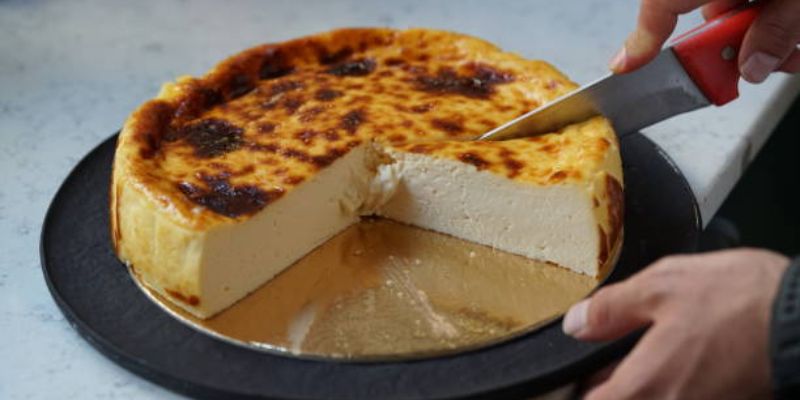
Most of the trick to creamy New York cheesecake happens in the oven. Low heat, steam, and slow cooling protect the cheesecake's texture.
Gentle heat keeps the batter from puffing up. When heat rises too fast, there is a risk of cracks and toughness.
A water bath adds steam and protects the edges from cooking faster than the center. Many cooks follow the same idea in guides that discuss how controlled heat affects baking tools, such as different oven types shown by appliance makers.
The center should jiggle slightly. A firm center means the cheesecake may end up dry.
Cooling in the oven with the door slightly open keeps the cheesecake from shrinking too fast. Slow cooling helps the creamy cheesecake texture hold.
Though simple, the crust affects the cheesecake recipe's result. A soggy crust can make even creamy cheesecake feel dull.
Graham crackers, shortbread, or cookie crumbs all work. Each one adds a different flavor without hurting the New York cheesecake's texture.
Butter should hold the crust together without turning it greasy. Too much butter makes the crust soft under the filling.
A quick bake helps the crust stay firm under the creamy cheesecake layer and prevents it from absorbing the filling.
These small steps help the cheesecake recipe match bakery results.
A 9-inch springform pan allows even heat flow. Thicker pans may overbake the outer layer.
The ring should come off only after chilling. Removing it early pulls the edges and causes cracks.
New York cheesecake's texture gets better after chilling overnight. This rest time gives the center a smoother feel.
If the top cracks, a thin sour cream layer can even the surface. Soft spots can be firmed with extra chill time. For safe storage questions, many cooks follow general kitchen safety steps shown by resources from government food safety sites.
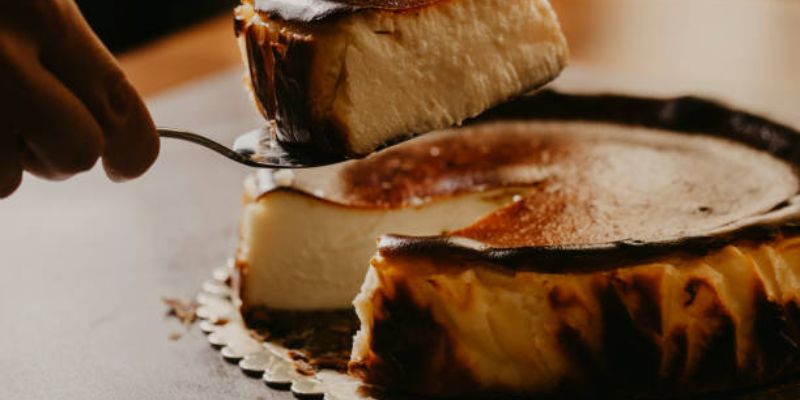
Many people enjoy adding flavors while keeping the creamy cheesecake as the base.
These mix-ins should be folded gently. Heavy add-ins can sink and harm the cheesecake texture.
A little extract goes a long way. Too much liquid weakens the creamy cheesecake structure.
Toppings like berries or caramel already add sugar, so reducing the sugar in the cheesecake recipe helps keep the balance.
Creamy cheesecake depends on soft ingredients, slow mixing, and gentle heat. Every part of the process supports the dense and silky New York cheesecake texture. With the right dairy, careful mixing, and patient cooling, even beginners can get a smooth dessert that tastes rich and balanced.
Recipe
November 12, 2025

Meat
October 24, 2025

Recipe
October 10, 2025
Meat
October 30, 2025

Dessert
September 29, 2025
Nutrition
October 16, 2025

Nutrition
October 28, 2025
Recipe
November 12, 2025

Recipe
October 14, 2025

Meat
October 2, 2025