Nutrition
Mediterranean Diet 7-Day Plan With Grocery List
October 26, 2025
Nutrition
Hormones affect your energy, mood, cycle and weight, but you do not need a perfect biohack routine to support them. A realistic hormone balance meal plan for women focuses on steady blood sugar, enough calories and simple, nutrient dense foods you can repeat.
Hormones affect your energy, mood, cycle and weight, but you do not need a perfect biohack routine to support them. A realistic hormone balance meal plan for women focuses on steady blood sugar, enough calories and simple, nutrient-dense foods you can repeat.
Your hormones are chemical messengers that constantly rise and fall across the month, especially around your menstrual cycle, pregnancy and perimenopause.[3] There is no perfect flat line. The goal is not frozen balance, it is creating an eating pattern that helps your hormones work smoothly instead of fighting them.
When your meals are chaotic or built around ultra processed carbs and sugar, you are more likely to see energy crashes, intense cravings, mood swings and weight changes. A hormone friendly meal plan focuses on stability, not extremes.[1][2]
Most registered dietitians build hormone focused plans around a few non negotiables.
Very low calorie diets can stress the body, affect sex hormone production and worsen fatigue. Most women need regular meals and snacks, not chronic restriction.
Aim for roughly 20 to 30 grams of protein at each meal from foods like eggs, Greek yogurt, chicken, fish, tofu or lentils so you stay full and support muscle and hormone production.[1][3]
Unsaturated fats from olive oil, avocado, nuts, seeds and fatty fish help your body produce hormones and may calm inflammation.[2]
Whole grains, beans, fruits and vegetables slow how fast sugar hits your blood and support better insulin control, which is key for conditions like PMS, PCOS and perimenopause.[1][2]
These can push blood sugar up and down, increase inflammation and make symptoms like cravings, breast tenderness and brain fog feel worse.[1][2]
Use this as a starting template. Adjust portions to your hunger, size and activity. It is aimed at a typical adult woman with no medical restrictions.[1][3]
Scrambled eggs with spinach and tomato
One slice whole grain toast with avocado
A small orange or handful of berries
Plain Greek yogurt
A tablespoon of chia seeds and a few walnuts
Grilled salmon or tofu
Half plate roasted vegetables, like broccoli and carrots
Half cup cooked quinoa or brown rice
Olive oil and lemon drizzled on top
Sliced apple
Two tablespoons peanut butter or a small handful of almonds
Turkey or lentil chili with beans and vegetables
Side salad with olive oil dressing
An optional small baked sweet potato if you are more active
This pattern gives you protein, healthy fat and fiber at each meal, which dietitians use to support appetite control, weight management and hormone health.[1][3]
This is general information, not personal medical advice. If you have a diagnosis like PCOS, thyroid disease or diabetes, talk to your doctor and a dietitian before changing your diet.
Keep iron rich foods in rotation, like lean red meat, chicken thighs, lentils and spinach
Focus on complex carbs and fiber to help with cravings and bloating, while limiting very salty and sugary snacks[3]
Make protein and fiber the priority at every meal
Choose slow carbs like oats, beans, quinoa and fruit instead of juices, white bread and pastries
Pair any sweet food with protein or fat, like dark chocolate with nuts, so your blood sugar spike is smaller[1]
Increase protein slightly to protect muscle, which helps your metabolism and weight control[3]
Use more unsaturated fats and fewer refined carbs to support energy and blood sugar
Keep alcohol as low as possible if you struggle with sleep or hot flashes
To actually follow a hormone balance meal plan on busy weeks, think in systems, not recipes.
Protein: eggs, Greek yogurt, chicken breast, tofu, beans
Fats: olive oil, avocado, nuts, seeds
Carbs: oats, quinoa, brown rice, potatoes, fruit
Veggies: leafy greens, broccoli, carrots, peppers
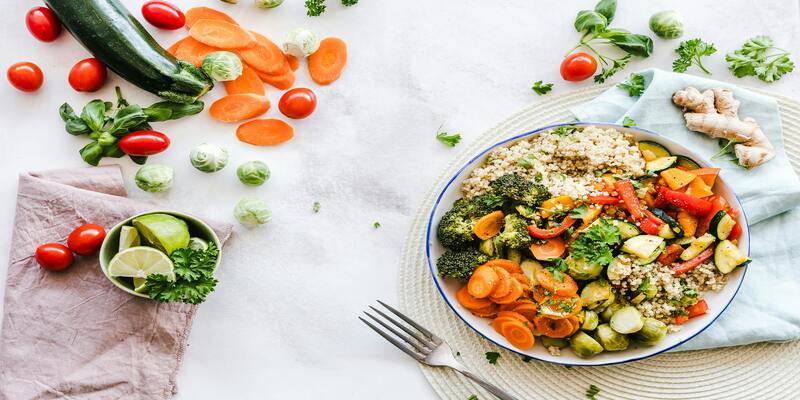
Roast a big tray of vegetables and cook a pot of quinoa on Sunday. Use them in breakfast bowls, lunch salads and quick dinners.
Decide on one go to breakfast, one lunch and one dinner. You can repeat when you feel tired or overwhelmed. Repetition is not boring, it is what keeps hormones calmer and blood sugar steadier.
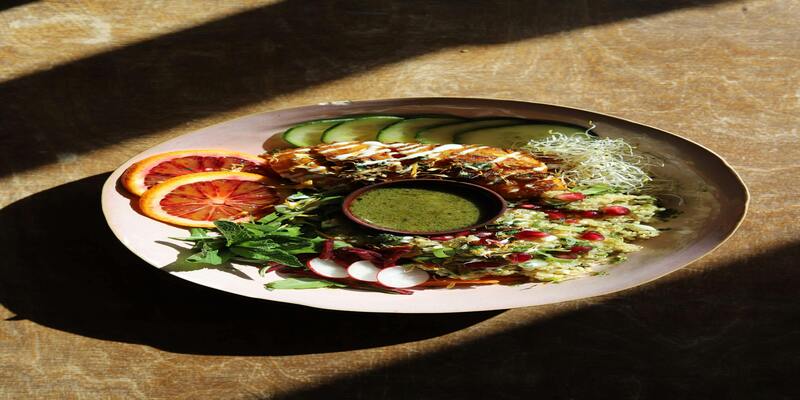
You do not need a perfect hormone balance meal plan to feel better. You need a pattern you can stick with most days. When your plate has enough protein, healthy fats, fiber and calories, your body has the building blocks to support energy, cycle health and long term wellbeing.
Start small. Pick one meal from the sample day and make it your default for the next week. Notice your energy, cravings and mood. If you live with strong symptoms, irregular cycles or diagnosed conditions, book time with a registered dietitian or women’s health provider so they can turn these dietitian tips into a plan tailored to your body.
[1] 5 Day Hormone Balancing Meal Plan
[2] Tips for a Hormone Balancing Diet: Top Foods That Help Balance Hormones
[3] Building Blocks: Women’s Protein Needs Change at Different Stages of Life
Nutrition
October 26, 2025
Dessert
September 21, 2025
Dessert
October 6, 2025

Meat
October 5, 2025

Beverage
October 4, 2025
Nutrition
October 30, 2025

Beverage
October 23, 2025
Nutrition
October 21, 2025

Beverage
October 27, 2025

Dessert
September 29, 2025