Nutrition
Mediterranean Diet 7-Day Plan With Grocery List
October 26, 2025
Beverage
Making Turkish coffee at home can feel tricky at first, but learning the right method brings out rich flavor and smooth coffee foam. This guide breaks everything down so even a first-timer can make Turkish coffee like a pro.
Making Turkish coffee at home can feel tricky at first, but learning the right method brings out rich flavor and smooth coffee foam. This guide breaks everything down so even a first-timer can make Turkish coffee like a pro.
Most beginners expect the foam to appear fast, but Turkish coffee needs slow heat control to create a thick top layer. Coffee foam should be smooth and creamy, not bubbly or flat. When heat is too high, the foam burns or disappears before the coffee brews fully.
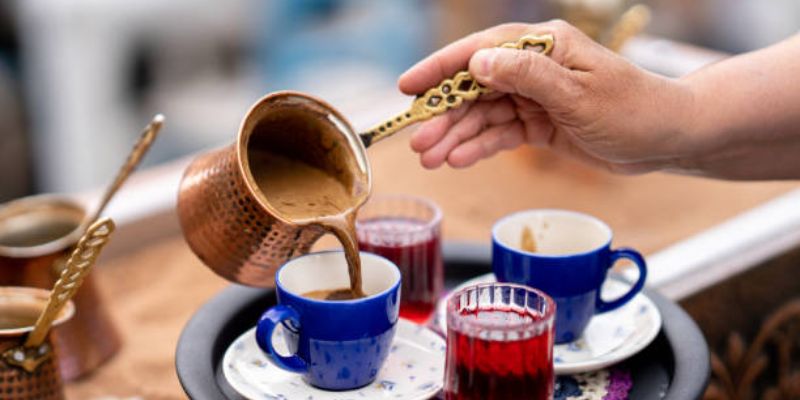
Turkish coffee needs a fine coffee grind that feels like soft powder. Many regular grinders cannot reach this level. A cezve also matters because the narrow neck helps build foam. Choosing a large cezve for a small serving often causes weak foam and uneven heating.
Heat control is the main skill that separates beginners from pros. Fast boiling turns the drink bitter and destroys the aroma. Low heat makes the flavors blend slowly and gives room for foam to grow. Keeping the brew below boiling is the key to a smooth finish.
A cezve is the main tool and its size should match how many cups are being made. A narrow opening helps form stable coffee foam. A small metal spoon prevents breaking the foam during brewing. Preheated cups protect the drink from cooling too fast, which keeps the taste fuller.
Medium to dark roasts work best, with freshly roasted beans giving the strongest aroma. Coffee kept in warm spots loses flavor fast, so airtight storage helps preserve taste. Many people pick their beans based on the style popular in their region, like those used by the large selection of products on Amazon.
Cold water is important because it heats slowly and lets the fine coffee grind dissolve at the right pace. Water with balanced minerals improves flavor depth. Using warm or hot water often ruins texture and gives sharp bitterness.
Sugar must be added before heating because stirring after heating destroys foam. A pinch of cardamom is common in Middle Eastern versions, and spices should always be added early to avoid a harsh aftertaste.
Use the serving cup to measure the water for accurate portions. Each cup should be filled fully so the cezve does not end up with too little water. This small step keeps the strength and flavor consistent.
Use one heaping teaspoon of a fine coffee grind per cup. All ingredients should be mixed before the cezve touches the heat, because this protects the final layer of coffee foam. Adding sugar later creates clumps and ruins texture.

Set the stove to low heat so the foam rises smoothly. The foam should appear around the edges first. A fast rise means the heat is too strong and may scorch the grounds.
When the foam thickens, lift it gently and place a bit into each cup. Do not stir the cezve because stirring breaks down the fine layers forming inside.
Place the cezve back on low heat until the coffee rises again. Stop right before it boils. Boiling destroys aroma and leaves a burnt taste. Heat control here shapes the final flavor.
Pour slowly so the grounds settle naturally. A steady pour keeps the body smooth and stops the foam from breaking. Let the drink rest for a few moments before sipping.
Turkish coffee should release a warm, deep smell with hints of roasted beans. A light smoky aroma is normal when the cezve is used well. A sharp or sour smell often means the heat was too high.
The drink should feel silky, never watery. The fine coffee grind settles at the bottom, leaving a smooth top layer. Good heat control keeps the body dense without becoming muddy.
A balanced cup is slightly sweet with rich depth. When bitterness takes over, it usually means the coffee boiled or the grind was not fine enough. A weak flavor often means the ratio of grounds to water was too low.
Bitter coffee comes from high heat or boiling. Lowering heat and letting the brew rise slowly avoids harsh flavors. Using fresher beans also improves smoothness.
Foam disappears when water is warm before brewing or when using a cezve that is too large. Stirring after heating also ruins the foam. Keep heat low and choose a cezve that matches the cup size.
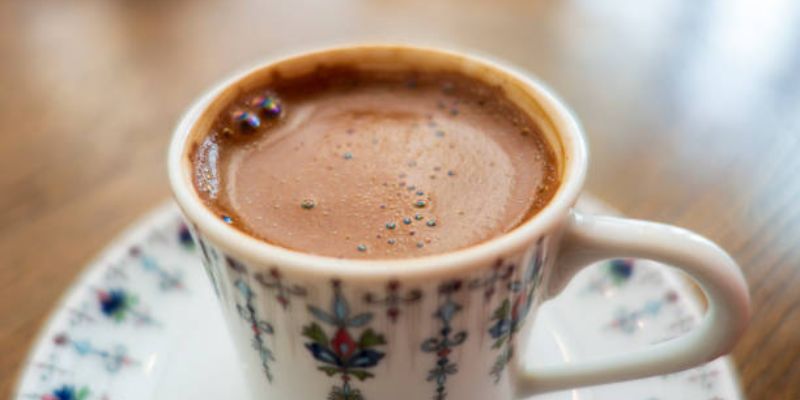
Weak coffee means too much water or stale beans. Strong coffee means too much powder or over-extraction from slow heating. Adjusting the ratio fixes both issues.
Floating grounds appear when the grind is not fine enough or when the pour is too fast. A proper fine coffee grind settles easily once poured slowly.
Sugar levels change how the foam builds. No sugar keeps flavor bold. Medium sugar softens the taste. Sweet versions feel smoother and work well with spices.
Greek coffee uses the same basic method but often tastes lighter. Arabic coffee with cardamom has a warm, earthy aroma. Lebanese and Armenian styles change sweetness and spice levels slightly, creating different layers of flavor.
Cocoa powder can be added at the start for a chocolate hint. Vanilla or spices can give a gentle aroma without hiding the natural taste. These styles are common in modern cafes listed by brands like Starbucks.
Small cups that stay warm help protect the thick texture. Preheating the cups keeps the drink stable and improves the aroma.
A small glass of water cleans the palate before drinking. Sweets like Turkish delight pair well because they match the strong flavor. These pairings are common in traditional spots featured by travel platforms like Lonely Planet.
Allow the grounds to settle for a moment before sipping. Drink slowly to enjoy the layers of flavor. Many cultures treat the drink as a calm break rather than a fast sip.
Making Turkish coffee like a pro depends on a steady hand, a fine coffee grind, and slow heat control. Small skills like managing the cezve and watching the coffee foam shape the final taste. With practice, each cup becomes richer, smoother, and closer to the classic style loved for generations.
Nutrition
October 26, 2025
Nutrition
October 16, 2025

Beverage
November 1, 2025

Meat
October 22, 2025

Beverage
October 25, 2025

Dessert
September 21, 2025
Recipe
October 22, 2025
Nutrition
October 21, 2025
Beverage
September 30, 2025

Meat
October 24, 2025