Dessert
How to Make French Macarons Like a Pastry Chef: Step-by-Step for Beginners
September 29, 2025
Dessert
Many home bakers get dry layers, dull color, or flat flavor. This guide explains the real secrets behind perfect red velvet cake so beginners can follow clear steps and stop guessing in the kitchen.
A perfect red velvet cake recipe looks simple, but it depends on many small choices. When the balance of cocoa, acid, and fat is right, the result is a soft, bright, and rich cake that feels special in every bite.
Many home bakers get dry layers, dull color, or flat flavor. This guide explains the real secrets behind perfect red velvet cake so beginners can follow clear steps and stop guessing in the kitchen.
A perfect red velvet cake recipe has a mild cocoa taste, gentle sweetness, and a slight tang. It is not a full chocolate cake. The flavor comes from how the red velvet ingredients, such as buttermilk, cocoa, and vanilla work together.
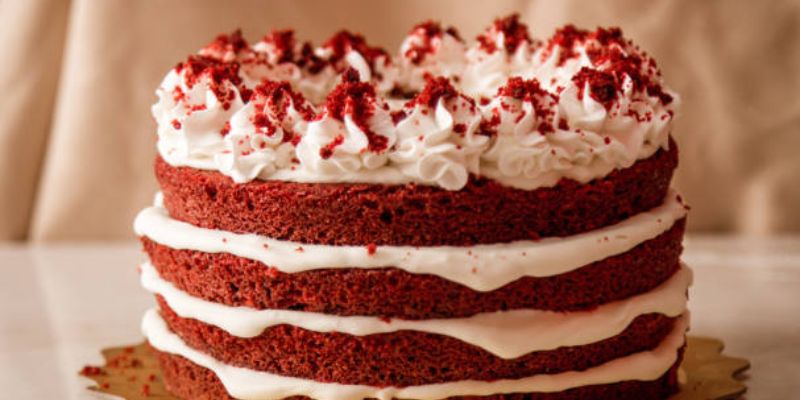
The crumb should feel like a moist cake that almost melts in the mouth. When fat, sugar, and liquid are balanced, the cake stays tender instead of turning dense or dry after baking or chilling.
The bright red color is also part of the secret. If the wrong cocoa is used, the cake turns brown. When natural cocoa, acid, and color work together, the perfect red velvet cake keeps a strong red tone without looking fake or harsh.
Acid is the quiet hero in a good red velvet cake recipe. Buttermilk and a little vinegar soften gluten strands so they do not tighten too much. This creates a fine crumb and helps the cake rise in a gentle way.
Many trusted baking guides note that this mix of acid and leavening is what makes red velvet feel soft and light rather than chewy or tough.
Natural cocoa works best in a red velvet cake recipe because it is more acidic. It reacts with buttermilk and vinegar, which helps the red color stay clear. Dutch-processed cocoa is less acidic, so it often leads to a brownish cake and a different taste.
Oil gives long-lasting moisture, while butter adds rich flavor. The right blend supports a moist cake that does not feel oily. Sugar holds water in the batter, so correct measuring is important. Too little sugar can make the crumb dry and firm.
Buttermilk is one of the main red velvet ingredients. It adds tang and supports the red color. Its acid also helps create that soft velvet crumb. Thin milk-and-lemon substitutes can work in a pinch, but often do not give the same depth or texture.
A small spoon of vinegar in the red velvet cake recipe may seem strange, but it supports the rise and color. The acid boosts the reaction between baking soda and cocoa and helps keep the crumb light.
Natural cocoa powder is a non-negotiable part of classic red velvet ingredients. It gives a light cocoa note and works with acid in the batter. Using Dutch cocoa changes the chemistry and makes the color dull.
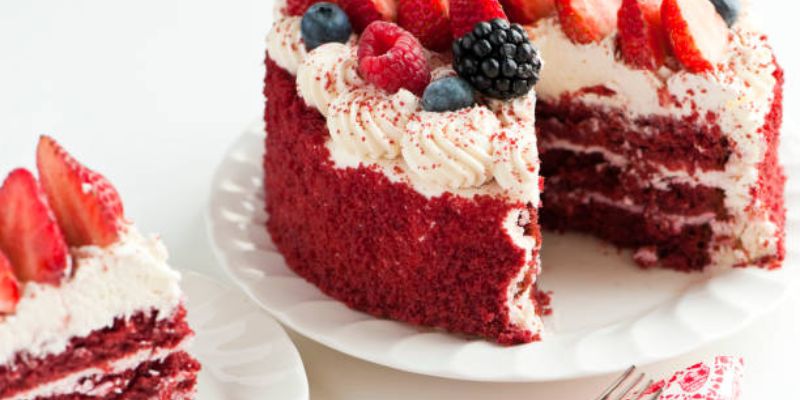
A mix of oil and butter helps create a moist cake that still tastes rich. Oil stays soft in the fridge. Butter adds flavor and structure. When used in the right ratio, the layers keep their shape but stay tender.
Gel food color is the best choice for a perfect red velvet cake. It gives strong color without thinning the batter. Liquid color adds too much water and can change the texture.
Start by beating butter and sugar until light. This traps small air bubbles that help a moist cake rise well. Add oil next, then eggs one by one. Dry ingredients should be mixed in gently with buttermilk to avoid overworking the gluten.
Use pans that match the red velvet cake recipe. Overfilled pans cause tall domes and cracked tops. Bake at a steady, moderate heat. A toothpick should come out with a few moist crumbs, not dry. Extra time in the oven quickly ruins a moist cake.
Let the layers cool in the pan for a short time, then move them to a rack. Cool fully before adding cream cheese frosting. If domes form, slice them off so the cake stacks in flat, even layers.
Cream cheese frosting should be smooth, thick, and easy to spread. Cool but soft cheese and butter blend best. If they are too warm, the frosting turns loose and slides off the cake.
Red velvet ingredients have a mild taste, so frosting should not be overly sweet. Many home cooks and pros on Food Network use enough sugar to keep cream cheese frosting stable but still tangy. A pinch of salt can sharpen the flavor.
Overbeating cream cheese frosting adds too much air and weakens the structure. Mixing just until smooth works better. Frosting should also go on cool cake layers. Warm cake melts the frosting and ruins clean edges.
A brown cake often means the wrong cocoa or too little color. Check that natural cocoa is used and that food color is strong enough. Very high oven heat can also darken the perfect red velvet cake more than needed.
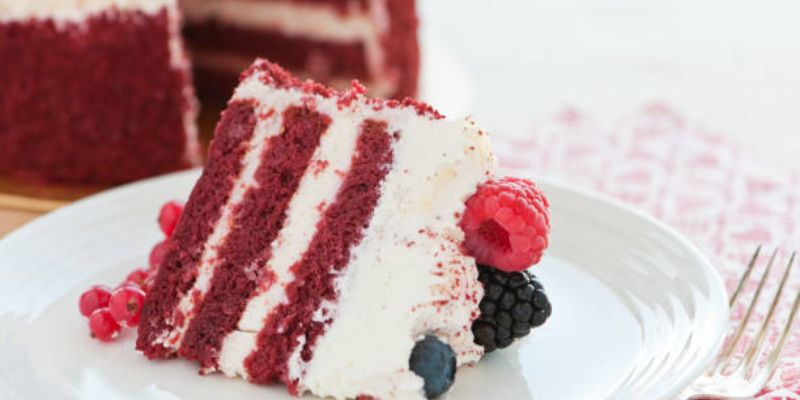
Dry cake usually comes from too much flour or too much time in the oven. Scooping flour packs it, so spooning and leveling is safer. Mixing the batter for too long also creates a dense crumb.
Cream cheese frosting breaks when ingredients are too warm or when the cake is hot. Chilling the frosting for a short time and making sure the layers are cool keeps the finish smooth, similar to many reliable methods shared by Allrecipes editors.
A perfect red velvet cake recipe is more than a list of red velvet ingredients. It is a set of small, linked choices. Natural cocoa, buttermilk, and vinegar build the base. The mix of butter and oil creates a moist cake. Careful baking and cooling protect the crumb.
When these steps come together, cream cheese frosting sits neatly on soft, even layers. With practice and attention to the science behind the batter, any home baker can turn a simple set of ingredients into a reliable, perfect red velvet cake for any event.

Dessert
September 29, 2025

Dessert
October 6, 2025

Dessert
October 20, 2025

Recipe
October 10, 2025
Dessert
October 17, 2025

Dessert
October 23, 2025
Beverage
October 27, 2025
Dessert
October 6, 2025
Meat
October 31, 2025

Beverage
October 25, 2025