Nutrition
Air Fryer Dinners That Actually Taste Gourmet
October 28, 2025
Meat
Grilled steak should be full of flavor, tender to bite, and packed with natural juices. Many people end up with dry or tough steak because small but important steps are skipped. Keeping steak juicy is mostly about choosing the right cut and managing heat the right way.
Grilled steak should be full of flavour, tender to bite, and packed with natural juices. Many people end up with dry or tough steak because small but important steps are skipped. Keeping steak juicy is mostly about choosing the right cut and managing heat the right way.
These secrets explain how to prepare, season, cook, and rest steak so the inside stays moist while the outside forms a perfect crust. When these steps work together, grilled steak becomes consistently juicy and full of great flavour.
The juiciness of grilled steak comes from water held inside the muscle fibers and from melted marbling, which is the soft fat that runs through the meat. When cooked correctly, this marbling melts and spreads flavour throughout the steak.
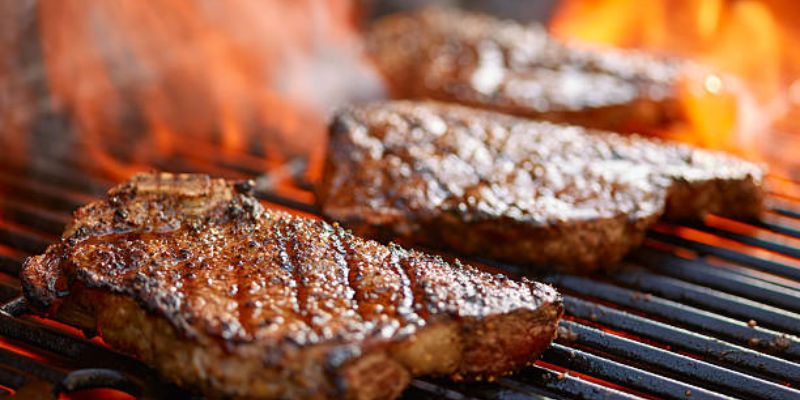
Steak becomes dry when cooked past medium or held over high heat for too long. A meat thermometer helps prevent this by showing the temperature inside the steak, so the cooking can stop at the perfect moment.
Some cuts naturally stay juicier because they contain more marbling:
Ribeye: Very juicy with a rich flavour
New York Strip: Firm texture with balanced marbling
Sirloin: Leaner but still flavorful when cooked right
T-Bone / Porterhouse: Two textures in one cut, tender and rich
Cuts with low marbling dry faster, so choosing a cut with visible marbling helps keep the steak juicy.
Steaks around 1 to 1.5 inches thick grill best. Thin steaks cook too fast, which makes it harder to control doneness. Thicker steaks allow time to build a strong crust while still keeping the inside tender.
Bone-in steaks heat more slowly near the bone, which can help retain moisture while grilling.
Let the steak rest at room temperature for about 20–30 minutes. A cold steak placed directly on a hot grill cooks unevenly, causing the outside to overcook before the inside warms.
Wet surfaces steam instead of brown. Patting the steak dry helps form a stronger crust that locks flavour inside.
Salt works in two useful ways:
Salt right before grilling
Or salt 45–60 minutes before grilling so the salt dissolves and moves into the meat.
Both help the steak hold moisture during cooking.
Dry brining overnight in the refrigerator helps strengthen flavour and improve browning. Just salt the steak and leave it uncovered.
The best steak seasoning to highlight beef flavour is often:
Salt
Black pepper
A thin coat of oil
This helps browning and builds flavour without overpowering the meat.
Ingredients like garlic, thyme, or rosemary should be added lightly. Strong flavours should support the meat rather than hide it.
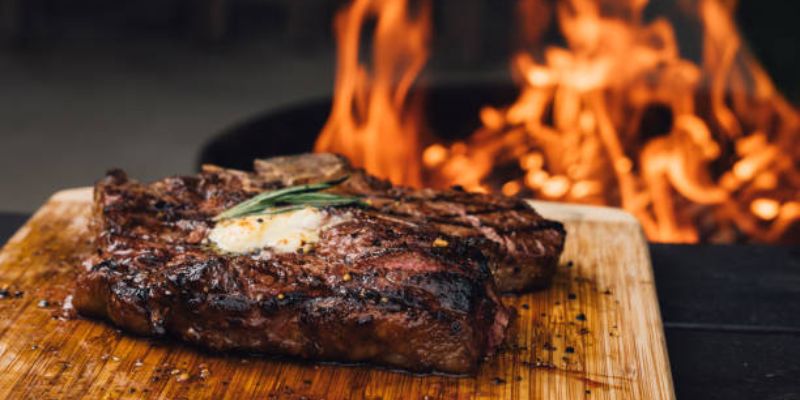
Marinades are helpful for tougher, leaner cuts like flank steak. Tender cuts with marbling generally do not need acidic marinades because they are already naturally juicy.
A well-prepared grill helps create a crust and prevents sticking.
Heat one side high for searing and leave the other side at medium for finishing.
Move the coals to one side. Sear the steak over the hot side, then move to the cooler side to finish slowly.
A clean and lightly oiled grill grate helps prevent sticking. Well-known grill manufacturers like Weber recommend cleaning the grates after they are preheated, while the grill is hot.
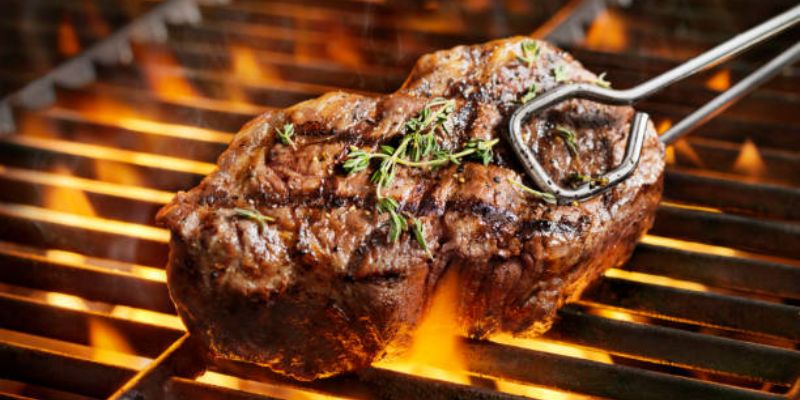
Use high heat to sear the outside and lock in flavour. Once a crust forms, move the steak to medium heat to finish slowly. This protects the inside from drying.
Place the steak on the hottest part of the grill to form a crust.
Once browned, move the steak to a cooler zone to finish cooking evenly.
Flipping every 1–2 minutes cooks the steak evenly and improves crust formation. It also reduces the risk of burning.
Doneness levels:
Rare: 120–125°F
Medium Rare: 130–135°F
Medium: 140–145°F
Temperature guidance is supported by the USDA, which provides safe-cooking recommendations at USDA.gov.
Using a meat thermometer prevents overcooking and protects the juice inside the steak.
After grilling, let the steak rest for 5–10 minutes. During grilling, juices move toward the surface. Resting allows them to spread back throughout the steak. Skipping rest time often leads to dryness.
Look for the direction of the muscle fibers and slice across them. Cutting against the grain shortens the fibers, making each bite tender.
Practicing proper resting steak techniques helps keep the inside juicy and soft.
Possible causes:
Cooked beyond the ideal temperature
The heat stayed high instead of shifting to medium
The steak was cut too soon without resting
This usually means not enough salt or no crust formed. Proper browning boosts flavour.
Likely reasons:
A cut low in marbling
No rest before slicing
Slicing with the grain instead of against it
Garlic butter or herb butter melts over the steak and adds richness without drying it.
Steak pairs well with dishes that balance flavour and texture:
Grilled vegetables
Roasted potatoes
Simple salads
Cooking communities such as those at Serious Eats often recommend pairing steak with sides that do not overpower the natural flavour.
The path to juicy grilled steak starts with a cut that contains enough marbling, continues with careful seasoning and heat control, and ends with proper resting steak techniques. A meat thermometer ensures accurate doneness, while thoughtful steak seasoning brings out natural flavour.
Repeating these steps each time creates grilled steak that stays juicy from edge to center.

Nutrition
October 28, 2025

Dessert
October 6, 2025
Nutrition
October 21, 2025

Dessert
September 29, 2025
Nutrition
October 28, 2025
Meat
October 5, 2025

Meat
October 2, 2025
Meat
October 30, 2025
Recipe
October 10, 2025

Nutrition
October 21, 2025