Recipe
Thanksgiving Turkey Recipes: Juicy And Flavorful Every Time
October 14, 2025
Dessert
Moist carrot cake recipes often confuse beginners, and many search for an easy carrot cake that works every time. A no-fail carrot cake recipe must stay simple, give clear steps, and help readers avoid dense texture, runny cream cheese frosting, or uneven baking.The outline below guides readers from ingredients to decorating while breaking down steps in a beginner-friendly way.
Moist carrot cake recipes often confuse beginners, and many search for an easy carrot cake that works every time. A no-fail carrot cake recipe must stay simple, give clear steps, and help readers avoid dense texture, runny cream cheese frosting, or uneven baking. The outline below guides readers from ingredients to decorating while breaking down steps in a beginner-friendly way.
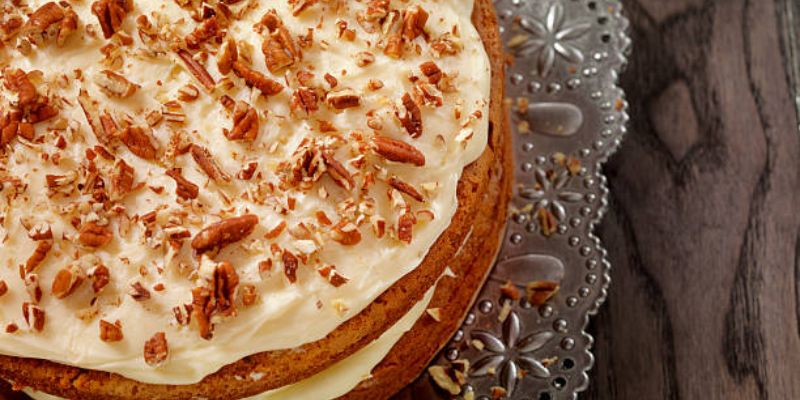
New bakers often face dense crumbs, sinking centers, or frosting that melts. Some choose the wrong oil, or shred carrots too finely, changing the moisture levels. Others use too much spice or pack flour too tightly. These mistakes affect even a homemade carrot cake.
A no-fail method uses clear ratios and steps. Even mixing order changes texture. This guide explains the right carrot texture, leavening balance, and frosting handling. When readers follow these parts, each moist carrot cake layer bakes evenly.
A dependable carrot cake recipe starts with simple dry ingredients. The flour, spices, and leavening must keep the batter light. The right flour type forms structure while letting moisture move through the crumb for a soft bite.
All-purpose flour works best for an easy carrot cake. Baking soda helps browning, while baking powder gives a gentle lift. Cinnamon adds warmth, but too much spice overpowers the carrot flavor. These dry ingredients create a strong base for a homemade carrot cake that stays tender.
Oil adds shine and moisture while eggs give structure. White sugar sweetens and helps with browning. Brown sugar adds a deeper taste and keeps the crumb soft. These wet ingredients help every moist carrot cake stay soft for days.
Freshly grated carrots give a better texture than packaged ones. Medium shreds blend easier than fine ones, which can make the cake heavy. Optional add-ins like walnuts or pineapple work, but too many make a once-easy carrot cake harder to manage.
Each step in this carrot cake recipe affects how evenly the cake bakes. Mixing, folding, and prepping pans all help control texture. Even oven accuracy matters when making a homemade carrot cake.
Wash and peel carrots, then shred them using a box grater. Medium shreds hold moisture without flooding the batter. Large shreds make thick pockets that change the crumb. They should not be squeezed dry, because the natural moisture helps a moist carrot cake bake evenly.
Mix dry ingredients in one bowl and wet ingredients in another. When they meet, the batter should be folded gently. Overmixing builds too much gluten and leads to dense results. A smooth but slightly textured batter works best for an easy carrot cake.
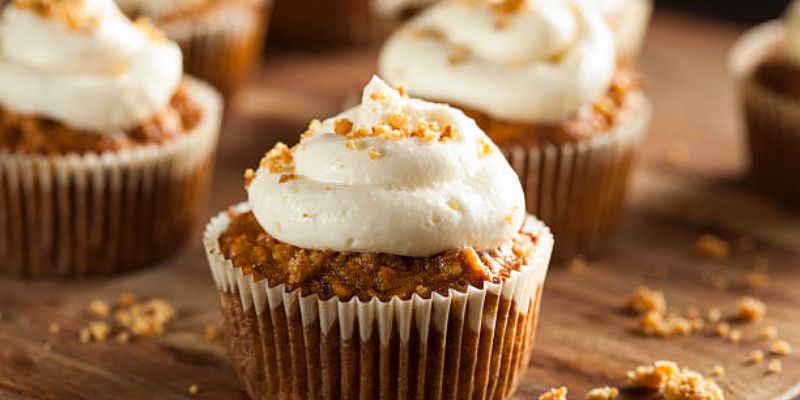
Use a standard round pan or a rectangular pan. Line the bottom with parchment for clean removal. Oven temperature must stay steady. For best results, the heating method used in a modern home oven, similar to those designed by GE Appliances, keeps baking even across the pan. Test the cake with a toothpick to avoid drying it out.
Cream cheese frosting is simple but can turn runny if handled wrong. The aim is a smooth, spreadable topping that stays firm on warm days.
Use equal parts cream cheese and butter. Both should feel slightly cool. Very soft cream cheese breaks down and becomes runny. This balanced ratio helps each layer of the homemade carrot cake stay neat once frosted.
Cream the butter first, then add the cream cheese and blend until smooth. Powdered sugar should be added slowly so the frosting stays stable. Correct mixing creates a rich topping that spreads easily over a moist carrot cake.
If frosting feels loose, chill it for a bit. If it seems thick, a splash of milk helps. Keeping sugar levels balanced prevents the frosting from becoming overly sweet. Good storage keeps the cream cheese frosting safe and stable, as noted by food safety groups such as the FDA, which outlines proper chilling standards.
Assembly affects the final look of any carrot cake recipe. Proper cooling, trimming, and layering all help the slices hold shape.
Cooling helps set the crumb. A warm cake melts cream cheese frosting. Metal racks speed cooling by letting air move under the pan. Proper cooling ensures the easy carrot cake stays firm enough for clean stacking.
Trim domed tops to make flat layers. A thin crumb coat catches loose crumbs and keeps the final layer neat. This simple step helps any homemade carrot cake look polished even without special tools.
Beginners can use simple swirls, chopped nuts, or loose carrot shreds. These decorations make a moist carrot cake look finished without needing piping skills.
Storage methods protect flavor and shape. Keeping an easy carrot cake fresh depends on air control and temperature.
Cover the cake lightly and chill it. Too much wrapping causes condensation. A large container works well for homemade carrot cake because it limits moisture loss while protecting the frosting.
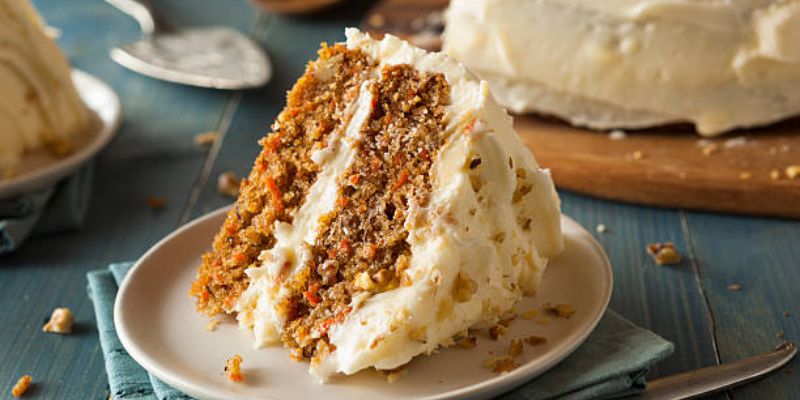
Wrap slices with parchment and plastic wrap to protect moisture. Thaw slowly so the cake stays tender. Freezing helps keep a moist carrot cake soft for weeks.
Readers often report problems with texture, rise, or frosting shape, but these issues have simple causes.
Dense cake usually comes from overmixing or too much carrot moisture. Correct measurements prevent heavy crumbs in any carrot cake recipe.
Opening the oven early or using low heat causes sinking. Steady temperatures help an easy carrot cake hold its rise, similar to how stable heating systems in modern kitchens follow guidelines from groups like Energy Star.
Soft cream cheese or excess sugar leads to unstable cream cheese frosting. Cooling helps firm the mixture and improves texture.
A balanced carrot cake recipe creates a steady rise, soft crumb, and smooth cream cheese frosting. When fresh carrots, even mixing, and proper cooling come together, the result is a moist carrot cake that stays reliable for bakers at any level. This simple method works across pan types and keeps the homemade carrot cake soft for days.

Recipe
October 14, 2025
Meat
October 22, 2025

Meat
October 5, 2025
Nutrition
October 26, 2025
Beverage
September 30, 2025
Meat
October 30, 2025
Nutrition
October 13, 2025

Nutrition
October 28, 2025

Beverage
October 24, 2025

Beverage
October 4, 2025